Stitching the world back together
Katie Deuel, Chief Program Officer at the Center for Large Landscape Conservation, knows nature cannot survive in isolation. Her work proves that reconnection – of land, wildlife, and people – changes everything.
 View from Echo Peak, Madison Range, Montana. Credit: CLLC/Anna Wearn
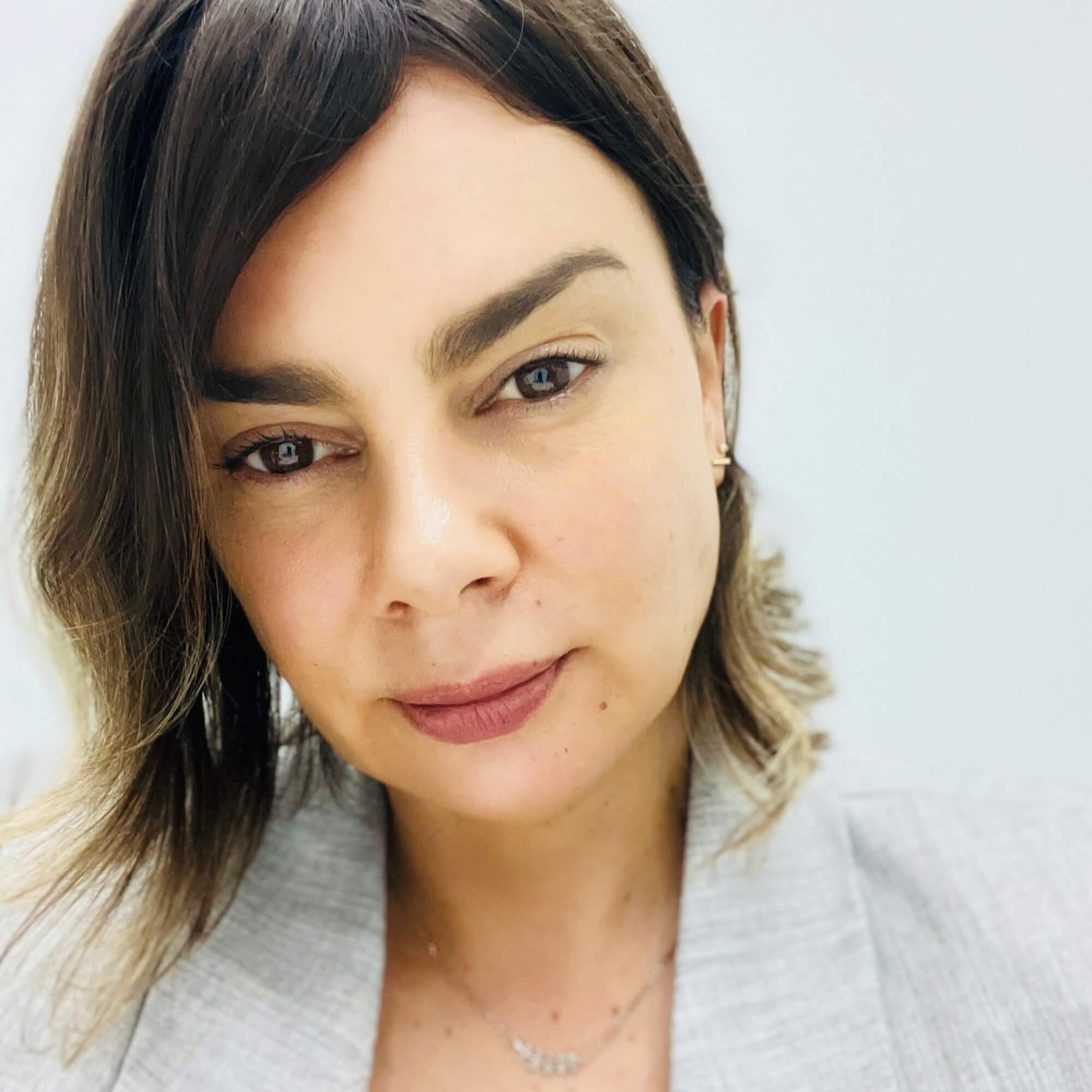
Katie feels the world is fractured; landscapes chopped up by highways, increasingly dissected by development, isolated by human barriers. “I find it so jarring,” she shares.
Driving her work is a vision of a healthy, connected planet, one where humanity and nature are no longer fragmented. Katie’s work with the Center for Large Landscape Conservation (CLLC) is grounded in the belief that humans need a consistent connection to nature, the way we need air. “Our work is about stitching the world back together,” she shares. And with only 3% of global lands remaining ecologically intact, the urgency is clear.
CLCC was founded in Bozeman, Montana, on the principle that protected areas alone aren’t enough to preserve biodiversity long term. The organisation works with over 2,000 community-based conservation efforts worldwide, while local conservation groups and scientific experts provide complementary support to keep habitats and migration routes connected.
“We use science, policy and practice to move connectivity conservation forward,” Katie explains. “Protected areas aren't enough if we're really going to ensure biodiversity persists in the long run.”
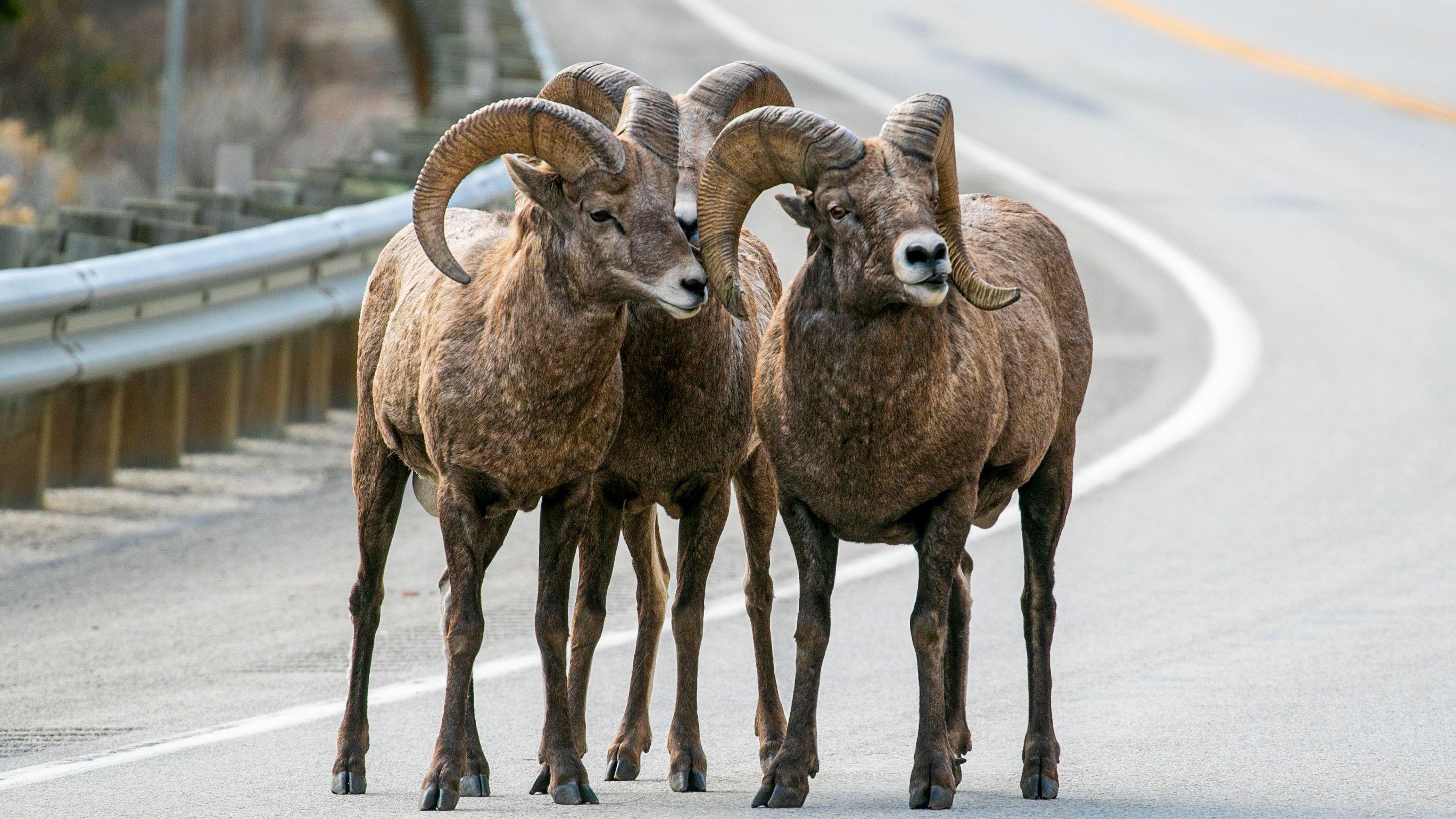
 Bighorn sheep on US Highway 93 near Sula, Montana. Credit: CLLC/Kylie Paul
Growing up in St. Louis, Missouri, Katie roamed freely through woods and backyards. “They were moments of wonder, being silly and unfettered,” she recalls fondly. “I realised how much I got from the natural world and how much it can teach people. I just wanted to give that back; make sure it is available to future generations.”
At Princeton, she wrote her thesis on dams in the West, fascinated by how infrastructure reshapes ecosystems and affects conservation. Later, leading expeditions for the National Outdoor Leadership School across the wilderness of the United States (including Alaska) and Kenya, she witnessed landscapes where nature still functioned as it should.
But the places she loved were changing, and she noticed something deeper was cracking within the conservation movement itself. “People had the same goals, but they would fight over the methods, and a fractured community is as powerless as a fractured landscape. We would lose.” Scientists clashed with policymakers. Conservationists fought with communities. Idealists clashed with pragmatists. How much did we need to protect, and where? The fractured landscape mirrored a fractured movement.
That realisation pushed Katie back to school for a master's in social work, where she focused on social justice, mediation, and conflict resolution. She learned something fundamental: you can't separate nature conservation from human connection.
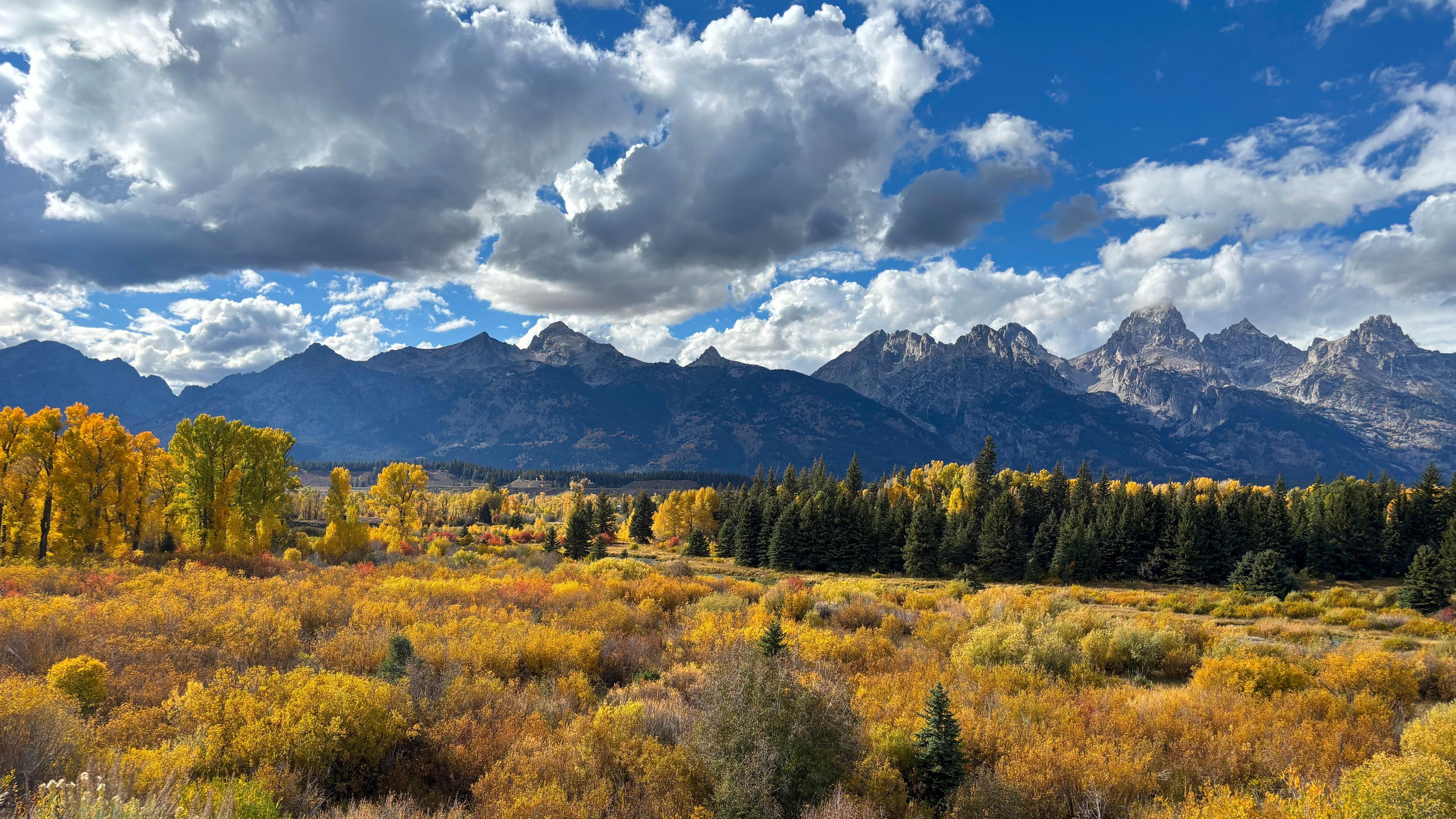 Teton Range, Wyoming. Credit: CLLC/Katie Deuel
Around the world, this philosophy manifests across diverse landscapes. With input from local experts and partners, the center has worked to identify wildlife movement pathways, or corridors, such as pronghorn antelope in the US Sonoran Desert and zebras across the Kenya/Tanzania border. CLLC has also worked with rangers in the transboundary Koytendag reserve to monitor wildlife and set up a protected area. Throughout these projects, the goal is to understand the needs of wildlife and engage the people who know best (the locals) to identify animal movements, feeding locations, and mating habits.
This work is strengthened through collaboration with tribal nations that have stewarded these lands for millennia. Their knowledge, persistence, and refusal to abandon the land – despite everything they have endured – fuels CLLC’s approach.
“They've been through genocide, lost their land, and lost the foods they ate. And yet they're still there,” Katie reflects. A tribal colleague once shared a philosophy she carries with her: “I'm still here. Politics change, but we are still living on this land, respecting the plants and animals that we share it with, working together
"The issue is elemental in places like Yellowstone National Park in the US, where elk herds and other wildlife range widely outside park boundaries, as of course animals don't recognise the lines we draw on maps; they depend on surrounding lands now fragmented by development,” she explains. On key highways near Yellowstone, Katie's team identifies where wildlife crossings could save lives, working with landowners to recognise corridors, and pushing for funding and policy changes to make those crossings possible. In the US alone, wildlife–vehicle collisions kill an estimated 1–2 million large animals every year, cause around 200 human deaths, and cost more than $8 billion in damages. Connectivity isn’t just ecological – it’s a public safety priority.
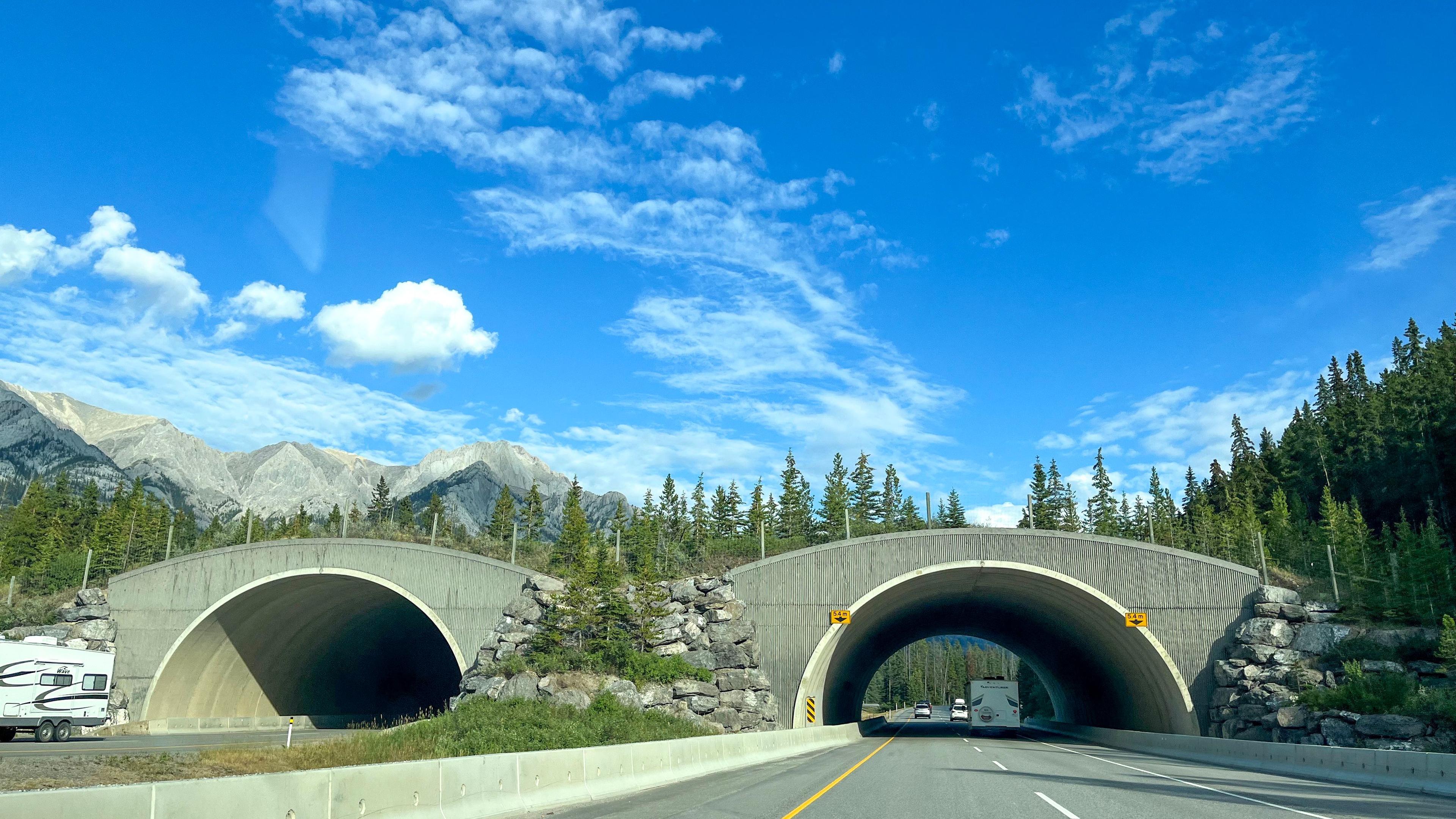 Trans-Canada Highway, Banff NP. Credit: CLLC/Gabe Oppler
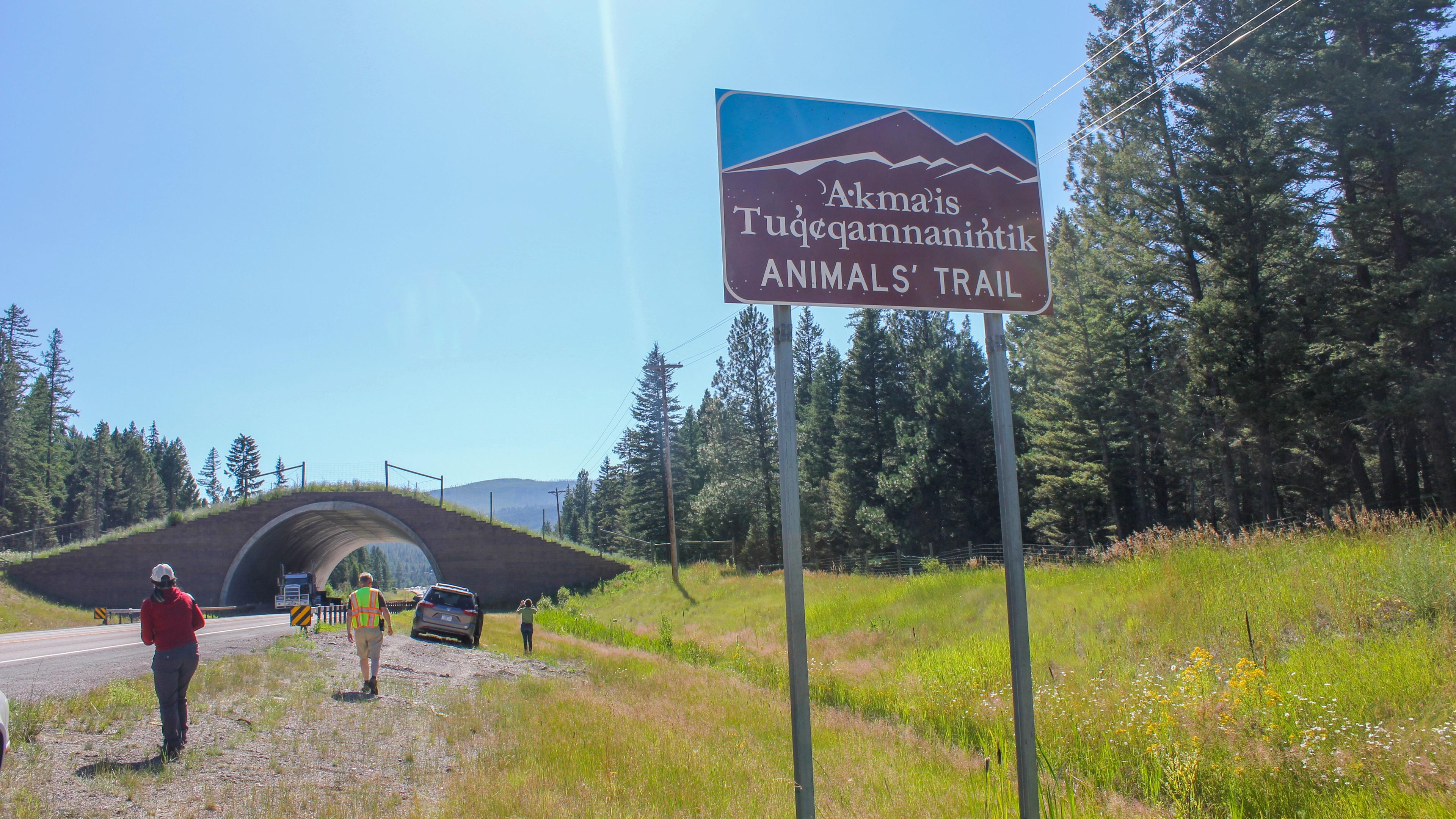
One of Katie’s most meaningful experiences came near her home in Montana from the Flathead Reservation's “People’s Way” highway crossings project, where roughly 70 wildlife crossings were installed. “Periodically, when I'd go under the overpass named “the animals bridge,” Katie reflects, “I would tear up. For all the beauty it embodies – the possibilities for reconnection, people standing up for wildlife, giving wildlife a chance. I'd tell my kids, ‘That's what we can do if we care enough.’”
These crossings matter far beyond the local landscape. Globally, wildlife populations have declined by an average of 73% since 1970, driven largely by habitat loss and climate change – forces that fragment ecosystems and sever the very connections CLLC seeks to restore.
Connecting communities across borders has revealed to Katie something deeper: conservation isn’t just about species.
“The social, the economic, and the environmental need to come together if we're actually going to defeat climate change,” she insists. When you restore connectivity to land, something shifts in how people relate to each other and to the future. Conservation becomes emotional repair. “We're not just taking land from people and putting it in a box,” she explains. “It's about working with the people in the landscape, that's a much more enduring approach to conservation.”
“When people come together and say, let's hold the mystery of how this works, how connected it is,” she reflects. “We're holding this beautiful, resilient, balanced system in place and trusting it to do its work.”
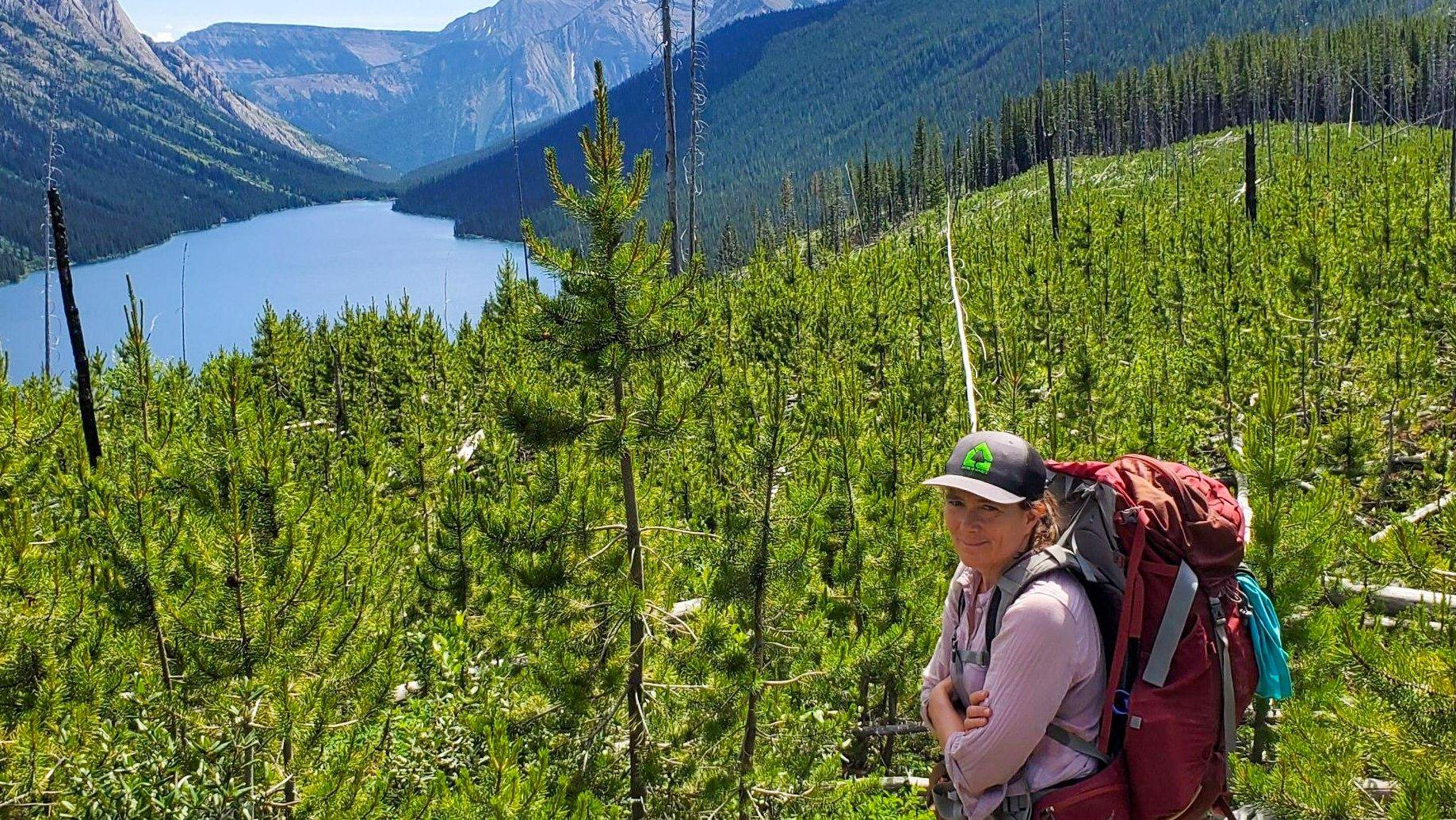 Author (Katie Deuel) with Backpack Glacier National Park, Montana, Credit: CLLC/Dwight Thomas
Katie has witnessed what happens when connectivity works – from the Crown of the Continent ecosystem in North America, to emerging African corridors where elephants thread through fragmented habitats. All proof that fragmentation isn't inevitable.
When Katie stands in a truly connected landscape, she feels it immediately. “It just feels peaceful,” she says, her voice carrying the weight of hard-won understanding. “Like this is the way it should be, all the pieces are here.”
In a world increasingly splintered by division and disconnection, her work reminds us that the antidote isn't despair. It's rebuilding.
Most Popular
The Climate Tribe delivers stories about topics such as biodiversity and conservation, circular economy, food and water , and how they intersect with climate.
Enquire
Do you have a sustainability story that deserves to be told? Are you driving climate action in your community, or do you know someone who is? Let us know about it at [email protected]
Subscribe
Get the latest stories inspiring climate action around the globe straight to your inbox.