Gazing at the Skies with Birdgirl
Thanks to a childhood spent birdwatching, Dr Mya-Rose Craig has not only broken world birding records but also become a global voice for climate and environmental justice. Through her charity, Black2Nature, she has been weaving new relationships between nature and children from communities throughout the UK.
 Dr Mya-Rose Craig is a record-holding birdwatcher who runs Black2Nature, a charity she set up when she was only thirteen years old.
Photo: Black2Nature
Dr Mya-Rose Craig is a record-holding birdwatcher who runs Black2Nature, a charity she set up when she was only thirteen years old.
Photo: Black2Nature
Only nine days after she opened her eyes as a newborn baby, Dr Mya-Rose Craig went on her first birdwatching trip. On the Isles of Scilly, a warm island archipelago off the coast of Cornwall, UK, her family was watching for the rare Lesser Kestrel – a migratory bird with dazzling orange-brown and grey plumage.
“One of my first words was ‘birdie’,” recalls Mya-Rose, now 23, and an acclaimed author, environmental and social justice advocate, charity founder and holder of multiple birdwatching records. “When I was a kid, birdwatching always felt like we were on a treasure hunt or an adventure.”
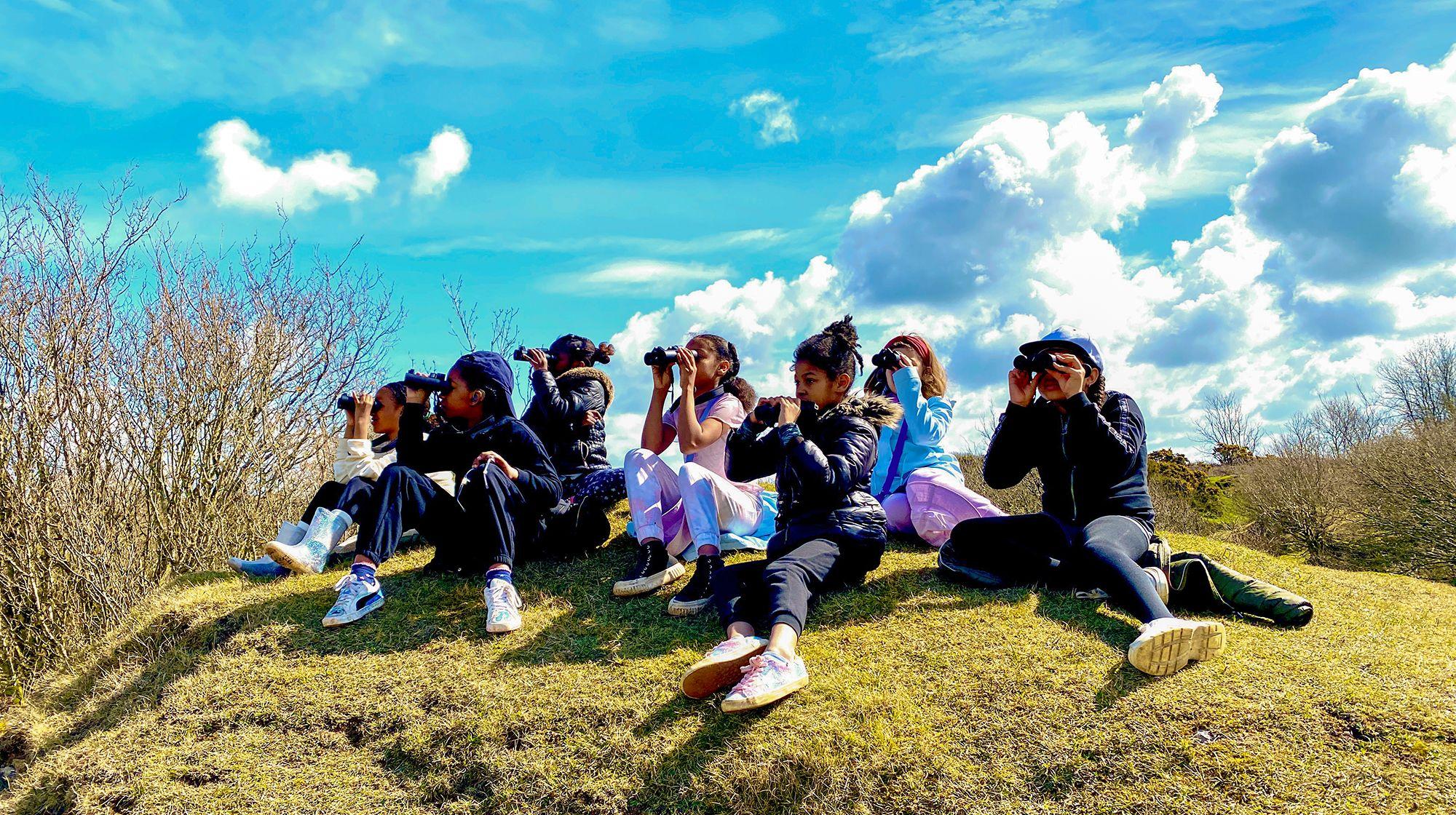
Today, Dr Mya-Rose Craig runs Black2Nature, a charity she set up when she was only thirteen years old. Black2Nature organises free summer camps in Bristol every year with activities such as tree planting, bird ringing, moth catching, hiking, mountain climbing, engaging younger kids and teenagers from visible minority ethnic communities.
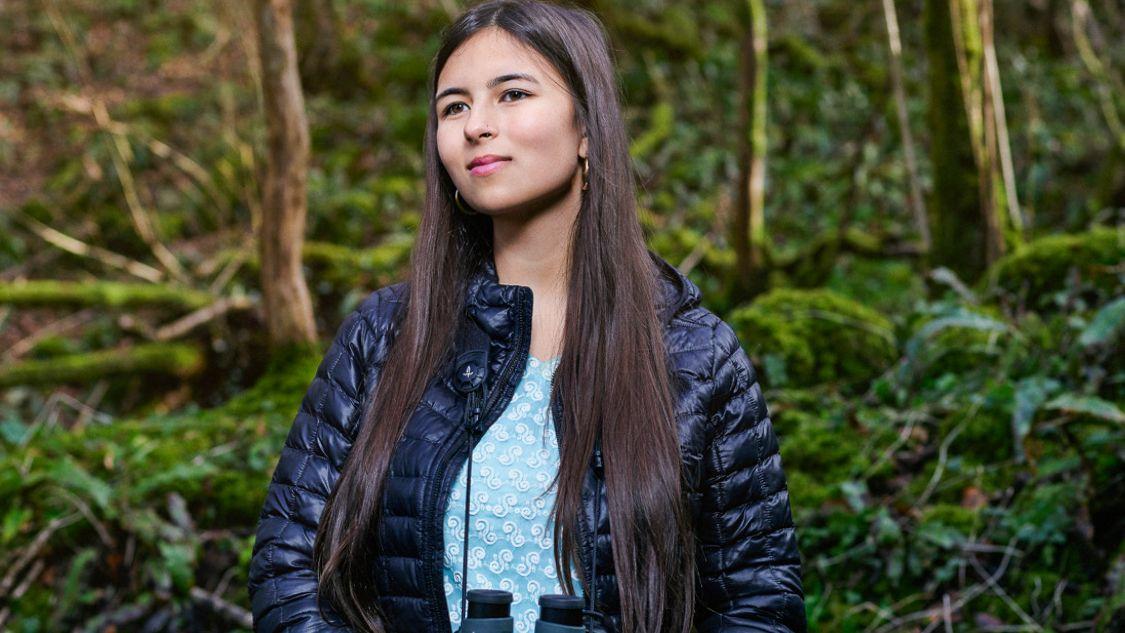 Mya-Rose Craig started a blog at the age of eleven to connect with fellow birdwatchers, a passion that would blossom into global advocacy.
Photo: Dr Mya-Rose Craig
Mya-Rose Craig started a blog at the age of eleven to connect with fellow birdwatchers, a passion that would blossom into global advocacy.
Photo: Dr Mya-Rose CraigGrowing up in a family of avid birdwatchers who travelled often, Mya-Rose became acquainted with the wonders of the natural world through the flurries of iridescent wings, jewel-toned plumage, and sweet birdsong. Nevertheless, it was the birds in her garden – the bull finches, gold finches and chaffinches flying close to her – that made her first fall in love with them.
“Being able to see birds up close and personal just makes it really, really magical,” says Mya-Rose. “I think they’re such a wonderful access point to nature, because whether you're in the middle of the city or the middle of the countryside, there will be birds flying around.” And bringing nature closer to us, witnessing the ways it exists in our backyards, is crucial to encouraging a passion for the environment.
It was not until she started a blog at the age of eleven to connect with fellow birdwatchers that she learnt the power of her voice. “I called it Birdgirl, because I was a girl and I liked birds, and I kind of liked that it sounded like a superhero.” With so much of her childhood spent outdoors, she had borne witness to the deteriorating health of nature. When she found herself angry, stressed and upset about the state of the world, Birdgirl became an outlet – especially when she realised that people were actually listening.
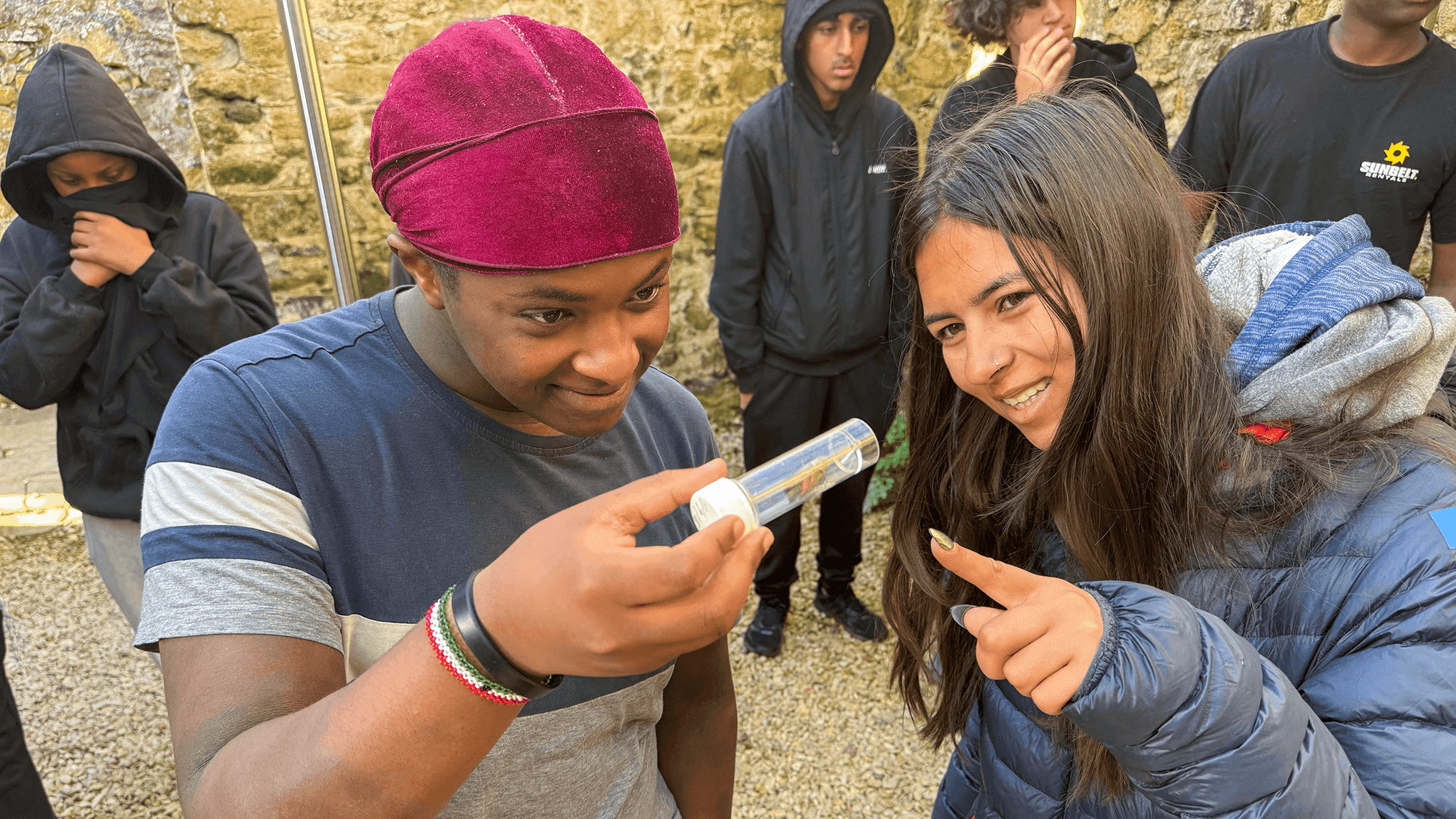 Black2Nature organises free summer camps in Bristol every year with activities such as tree planting, bird ringing, moth catching, hiking, mountain climbing, engaging younger kids and teenagers from visible minority ethnic communities.
Photo: Black2Nature
Black2Nature organises free summer camps in Bristol every year with activities such as tree planting, bird ringing, moth catching, hiking, mountain climbing, engaging younger kids and teenagers from visible minority ethnic communities.
Photo: Black2NatureIn 2014, when the Sundarbans in Bangladesh – where her mother’s parents are from - suffered from a severe oil spill, she was horrified to witness a lack of global media coverage.
“You've got lots of villagers living along the riverbank who were literally having to wade through carcinogenic water,” she says. “I think I just felt that it was because maybe they didn't feel that anyone cared about Bangladesh. Maybe it was kind of too poor and too brown for it being polluted to be newsworthy, but it made me really angry, and I ended up writing a blog post.” She mailed articles about it to UK publications and helped raise $35,000 for the cause.
“It taught me that I could make a material difference, and that it was worth speaking up and trying."
It taught me that I could make a material difference, and that it was worth speaking up and trying.
Only two years later, when she advertised a summer camp for birdwatching in the UK, inspired by similar ones in the US, she enforced these lessons. “Everyone who signed up was a white, middle-class teenage boy, which ticks all the stereotypes of who likes nature and goes out in nature in the UK,” she recounts. “I never saw anyone really who looked like my family out in nature growing up, but it felt much more personal when it was an event that I had organised.”
She personally set out to find if children from black and Asian communities would be interested, speaking to families in Bristol, and successfully organised a more diverse camp. When nature organisations reached out to her about it, she decided to get them in the same room as anti-racism experts from local communities to spark conversation and understanding.
“My mum was like, ‘Mya, that's a conference.’ And I was like, ‘Okay, I'm organising a conference.’”
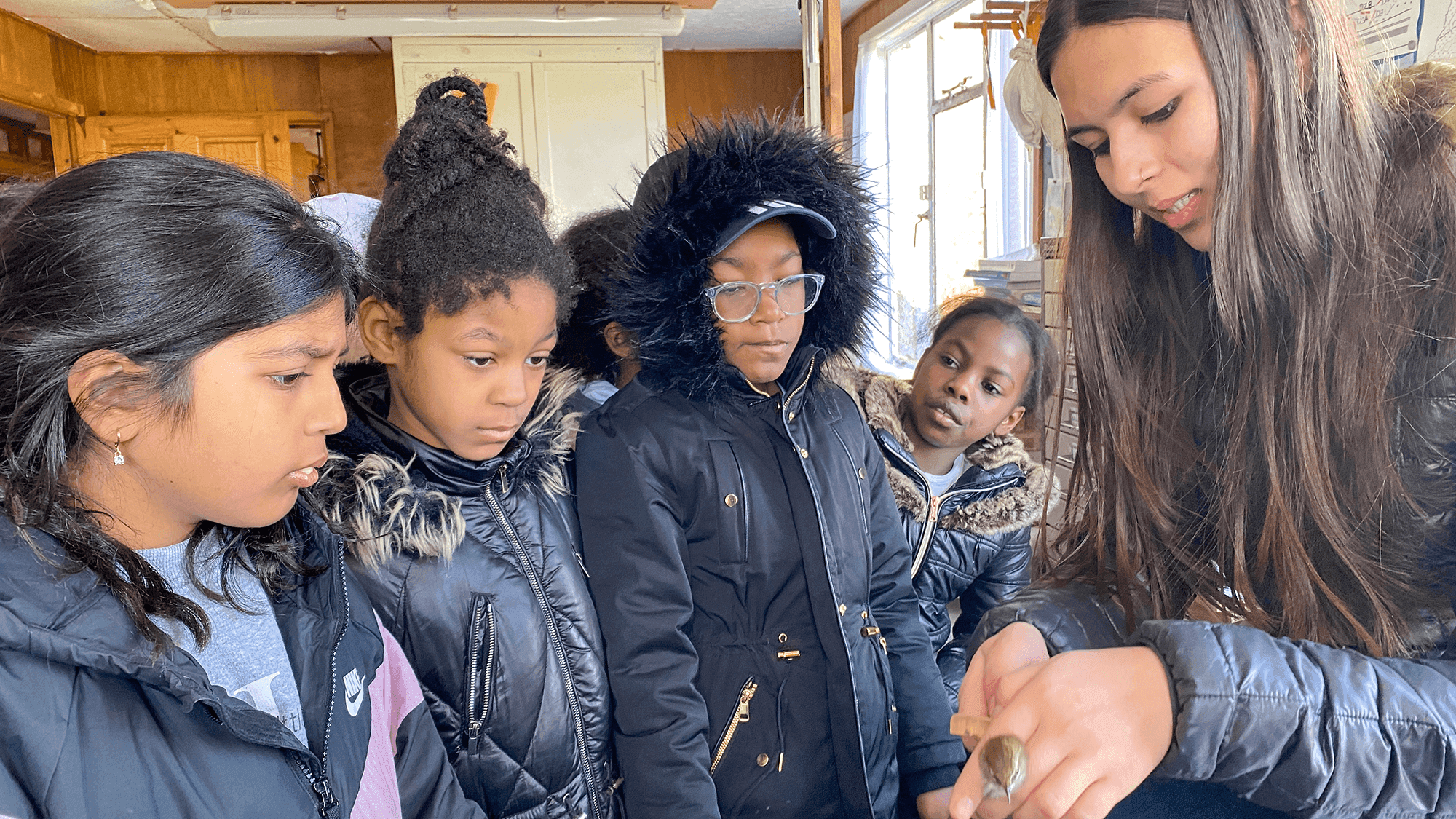 Mya-Rose also organised the Race Equality in Nature Conference, where communities discussed poor public transport links, the difficulty of accessing green spaces and the fear of hate crime, microaggression or racial profiling.
Photo: Black2Nature
Mya-Rose also organised the Race Equality in Nature Conference, where communities discussed poor public transport links, the difficulty of accessing green spaces and the fear of hate crime, microaggression or racial profiling.
Photo: Black2Nature
At the Race Equality in Nature Conference, communities discussed poor public transport links, the difficulty of accessing green spaces and the fear of hate crime, microaggression or racial profiling. “I'd say the majority of people that we talked to felt that the countryside was not a space for them.”
It was a more prevalent issue than she’d first realised. ‘Okay, this is something long-term. I'm going to set up an organisation, and we're going to carry on doing that.’ The day before she joins me on this call, she celebrated the 10th anniversary of Black2Nature.
She laughs, “I've had a really little girl get off the bus and be like, ‘It stinks of poo out here! But I really like it!’” Another time, on a clear night watching for nightjars with telescopes, some campers decided to turn the telescope upwards and start looking at the stars. “They'd never really seen the stars very well before, because of light pollution, and they were really excited.” To their surprise, a bright light in the sky turned out to be the planet Mars, and they spent half the night spellbound.
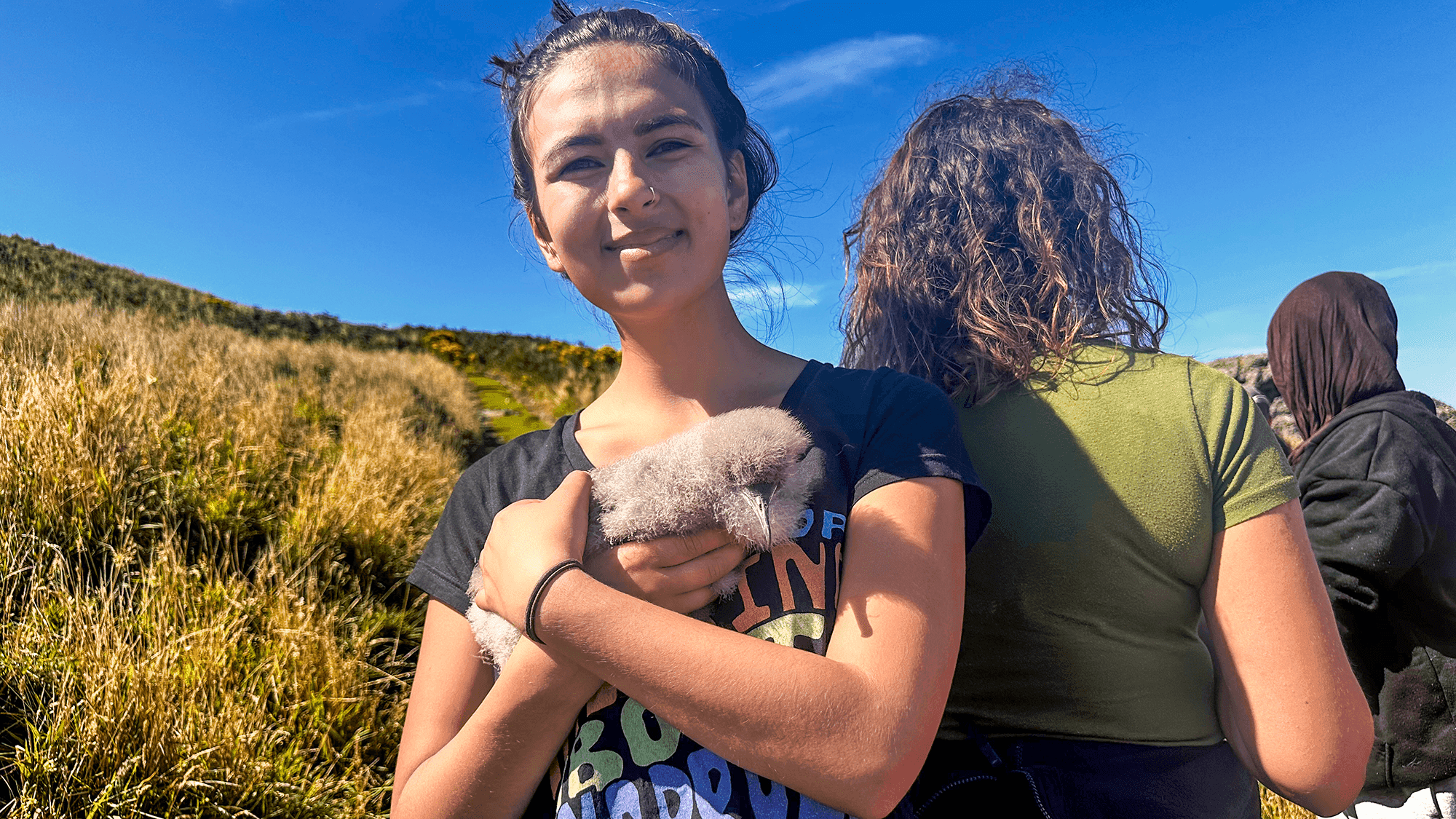 As global bird populations decline, Mya-Rose is dedicated to sharing her love of the natural world with other bird-watchers, believing that together, they can help protect Earth’s wildlife.
Photo: Black2Nature
As global bird populations decline, Mya-Rose is dedicated to sharing her love of the natural world with other bird-watchers, believing that together, they can help protect Earth’s wildlife.
Photo: Black2NatureAs a global activist, she continues to break new ground on pressing issues. To platform underrepresented environmental activists, she wrote a book titled We Have a Dream, profiling 30 young people from Indigenous communities and other people of colour. She also chronicled her extraordinary childhood in the book Birdgirl and wrote a children’s book, Flight, which explores bird migration.
Still, however, nearly half of global bird species are in decline due to habitat loss from agriculture and logging, invasive species, hunting and trapping and climate change. More than 500 species could go extinct in the next century.
“My hope for birds is that we start to solve these issues and that they bounce back, and have more space to just live and thrive,” says Mya-Rose. From tiny hummingbirds to the largest eagles, bringing together people from all walks of life helps everyone to understand that they, too, are residents of Earth.
“It was so special for me to watch people who had never been to the countryside fall in love with nature over a weekend,” she says, illustrating the impact Black2Nature can have on young people. “And I think it's that feeling from every event that we do, that makes me feel like, ‘Yeah, this is all worth it. This is important.”
Most Popular
The Climate Tribe delivers stories about Biodiversity and Conservation, Circular Economy, Food and Water , and how they intersect with climate.
Subscribe
Get the latest stories inspiring climate action around the globe straight to your inbox.