Shaping the Gulf's approach to climate action
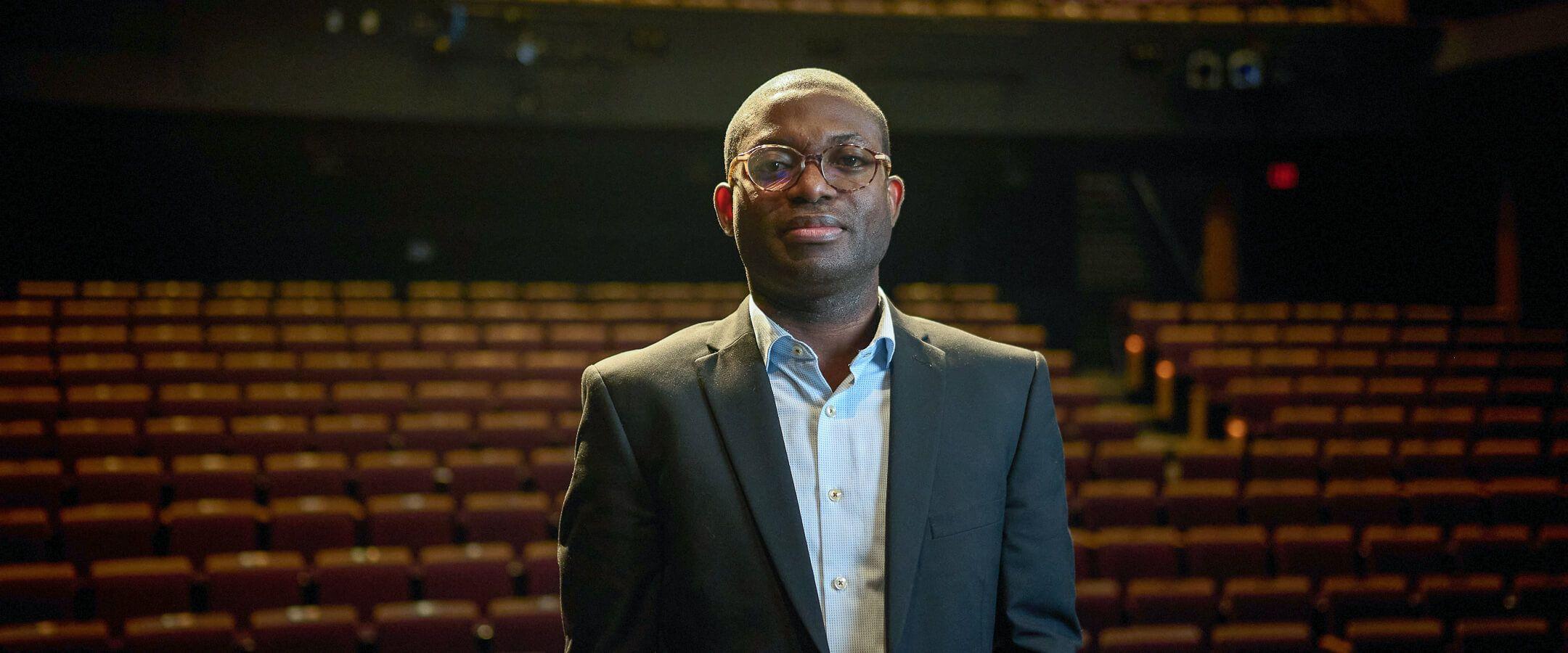
When Neeshad Shafi founded Arab Youth Climate Movement Qatar (AYCMQA), climate action was far from a mainstream conversation in the Gulf. His strategy to bring young people and the community into the conversation has changed everything.
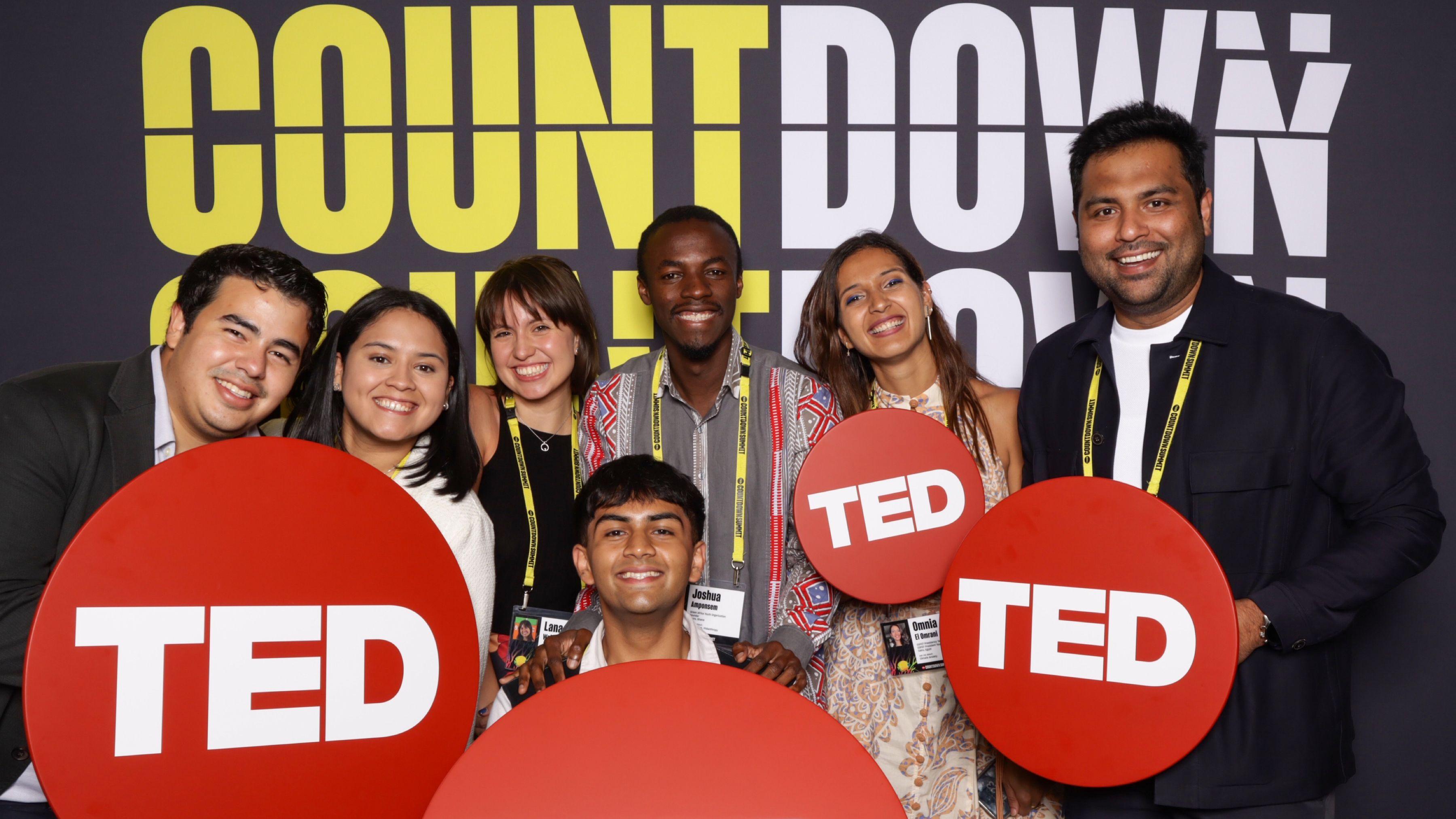 AYCM engages young people, with its flagship Earth Talks Series bringing international experts – UNFCCC executives, economists, and faith leaders – directly to Gulf communities.
Photo: Arab Youth Climate Movement Qatar
AYCM engages young people, with its flagship Earth Talks Series bringing international experts – UNFCCC executives, economists, and faith leaders – directly to Gulf communities.
Photo: Arab Youth Climate Movement Qatar
When Neeshad Shafi walked into AYCM’s first Earth Talks series, one of AYCMQA’s strategic initiatives in 2017, he expected a modest turnout. Instead, he was faced with an audience of four, not counting himself and the venue host. Fast-forward to the present day, and that same lecture series draws over 500 people, with audiences spilling beyond capacity.
How did a lecture series with two attendees become standing-room only? The answer lies in understanding how Neeshad reframed climate action engagement for the Gulf context.
Born and raised in Doha, Neeshad followed a typical expatriate trajectory: good schools, engineering degree. His parents had been in Qatar for decades, giving him deep roots in the country. But growing up in a stable expat household, climate wasn't on his radar. “I was a normal, spoiled kid,” he says. “What I remember is how dramatically Doha changed. When I was young, it was less than two million people back in 2007. Now it's almost three million.”
“The weather was different then - not as hot, less frequent sandstorms, gentler rain,” he recalls, highlighting climate shifts. “Now we see extreme weather, flooding in the Gulf in places we never did before.” Those subtle observations, combined with the region’s rapid transformation, sparked his environmental curiosity.
During his master's degree in Energy and Environment, something shifted for Neeshad. His thesis on climate change across Southeast Asia – modelling temperature impacts on rainfall, ecosystems, and entire regions – became a genuine awakening and commitment. “I was looking at 50 to 100-year projections,” he recalls. “The data showed catastrophic impacts.” That research pushed him to start a climate club at university in 2015. Today, alongside his professional work in climate policy & finance, he continues to lead Arab Youth Climate Movement Qatar (AYCMQA) (as a volunteer-driven initiative), a role that has become his defining contribution to the MENA region.
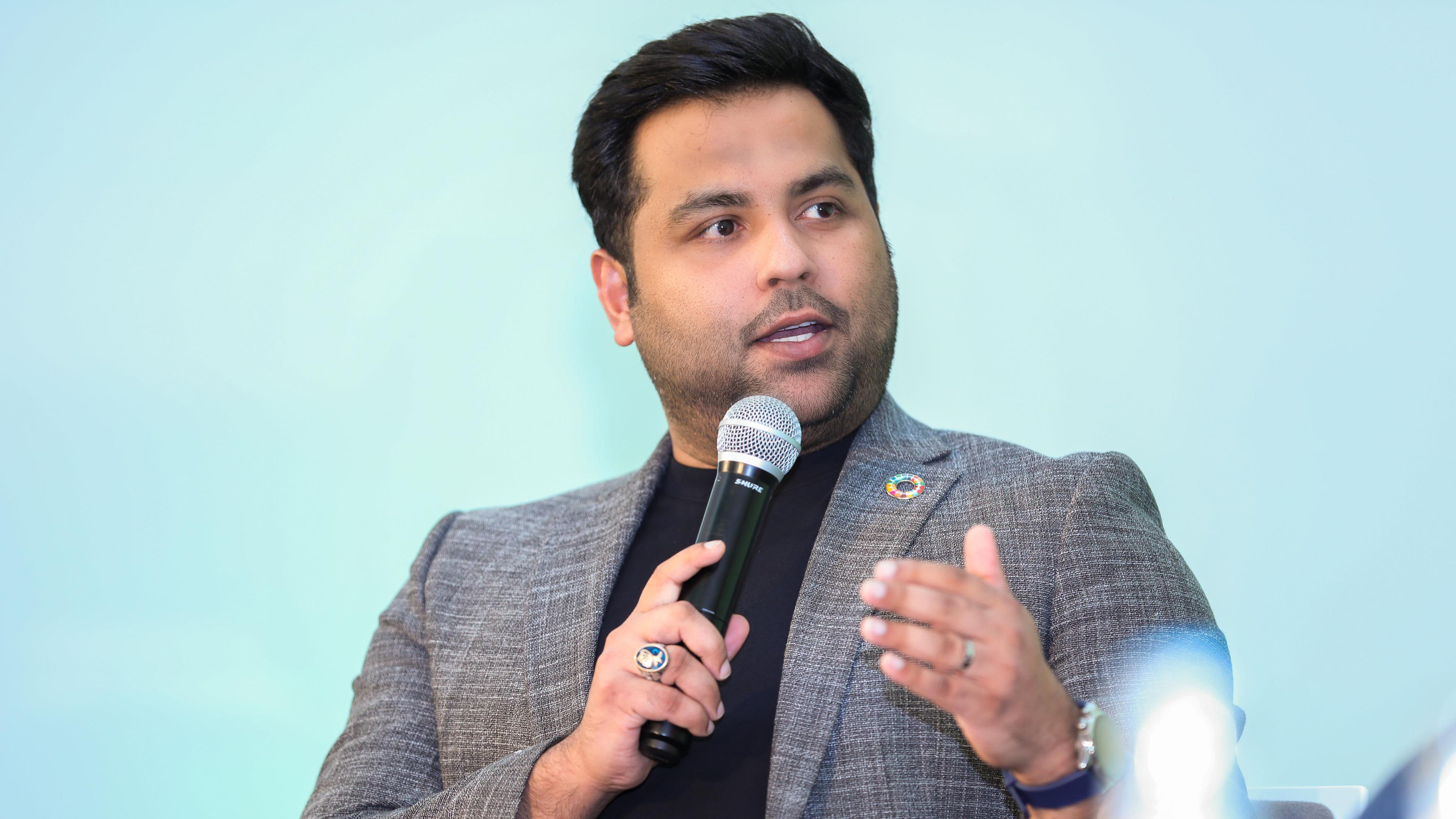 Neeshad's thesis on climate change across Southeast Asia became an awakening.
Photo: Arab Youth Climate Movement Qatar
Neeshad's thesis on climate change across Southeast Asia became an awakening.
Photo: Arab Youth Climate Movement Qatar What Neeshad recognised early was the importance of legitimacy in the Gulf context. Institutional partnerships require formal registration and clear legal standing. When his initial applications for non-profit registration were rejected in 2018, he viewed it as an opportunity to find the right framework.
The turning point came through a conversation with the Qatar Minister of Environment and Climate Change: “Legitimacy is registering under the law. If you want to contribute to policy, advocacy, and research, it has to be a legitimate organisation.” Neeshad realised something fundamental; in the Gulf, formal structures aren't barriers – they're gateways. He worked with the Qatar Financial Centre to register and provide a formal standing for AYCMQA as an official association in 2019.
Doors opened. Government ministries and institutions could now formally collaborate. Embassies and UN agencies became partners. Funding became accessible.
“Nobody will question you if you're doing the right thing for the community and country,” he reflects. “But you have to do it within the law. That gives you credibility.” Working through established institutions is the most effective way to influence policy and secure lasting partnerships.
The growth numbers tell the story. AYCM began with five to ten people meeting on Friday evenings. Today, it operates with over 500 volunteers working with government ministries, embassies, UN agencies, and various embassies. Demand for regional engagement proved staggering: when AYCMQA launched the Arab Youth for COP Initiative – bringing young Arabs to International climate conferences – it received 1,000 applications for five available spots at COP27 in Egypt. For COP28 in Dubai, 3,500 applications. The initiative was inspired by Neeshad’s experience attending COP21 in Paris, where he observed limited representation of youth and civil society voices from the Arab region. That realisation motivated him to establish one of the first regionally focused youth climate engagement platforms, launching the MENA Climate Action platform during COP28 in Dubai.
Today, its flagship Earth Talks Series brings international experts – UNFCCC executives, economists, and faith leaders – directly to Gulf communities. Unlike university events restricted to students, Earth Talks are open to everyone. “I realised universities weren't accessible to the public,” Neeshad explains. “I wanted everyone - expats, citizens, tourists - to learn from international experts.” The series pioneered ‘Eco community Iftar’ events during Ramadan, bringing ambassadors and community leaders to discuss sustainability and the role of Islamic faith.
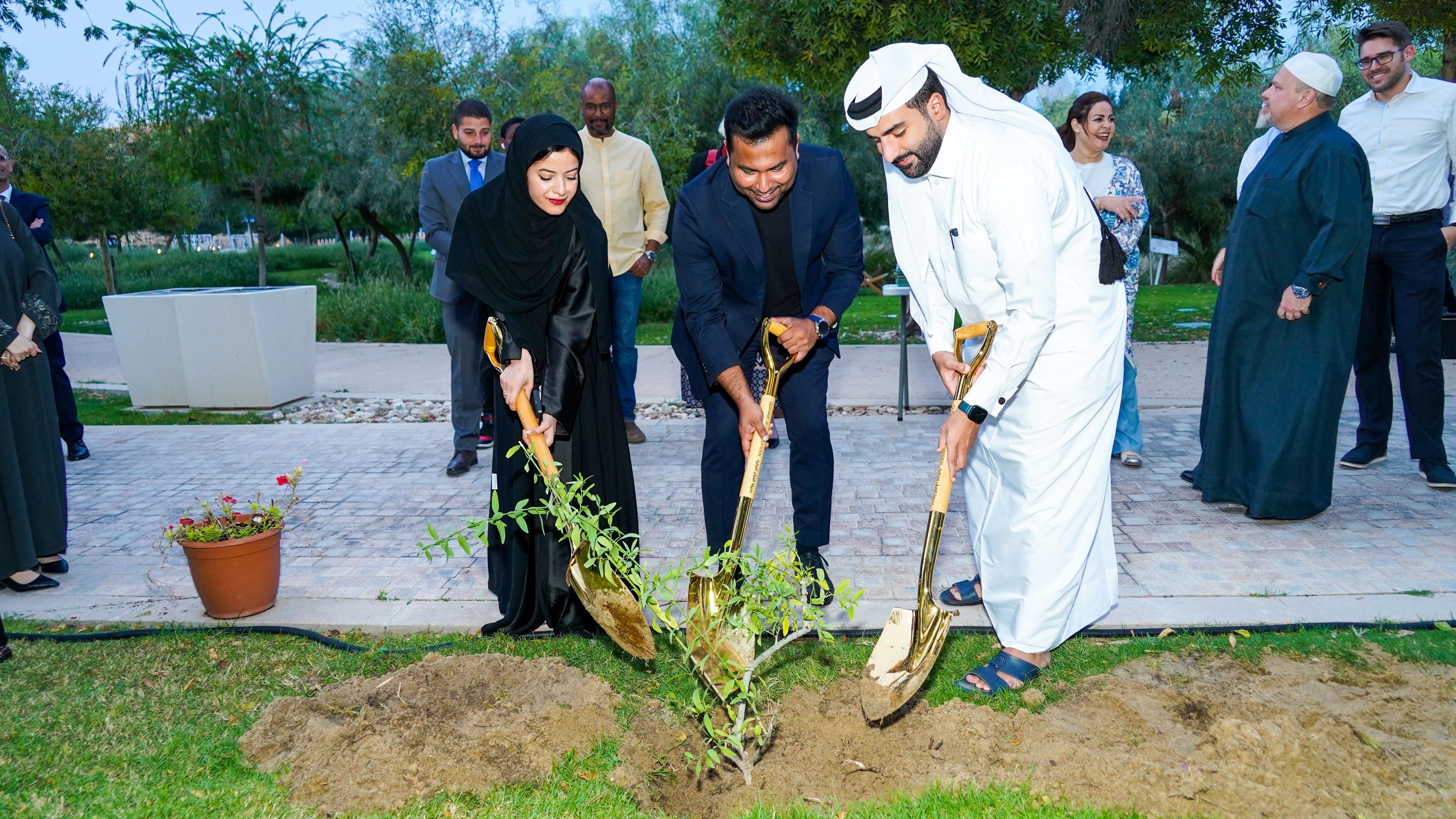 AYCM operates with over 500 volunteers working with government ministries, embassies, UN agencies, and embassies.
Photo: Arab Youth Climate Movement Qatar
AYCM operates with over 500 volunteers working with government ministries, embassies, UN agencies, and embassies.
Photo: Arab Youth Climate Movement Qatar The Household Carbon Footprint Calculator, developed in partnership with the US Embassy, the Qatar Ministry of Environment and Climate Change, the Ministry of Health, UNESCO, and the Ministry of Education, was the first carbon footprint app created by a MENA-based NGO – solving a region-specific challenge where subsidised energy masks consumption patterns. AYCMQA trained 200 schools across Qatar, empowering teachers to lead carbon tracking with students, creating feedback loops where young people could measure behaviour change.
Young Reporters for the Environment trains young journalists with the Al Jazeera Academy to articulate environmental issues through media, while Environmental Ambassadors of Qatar runs citizen science on marine conservation. These initiatives, alongside policy work with government agencies, connect global climate science to local impacts: unprecedented flooding, extreme heat, water scarcity, and threats to marine ecosystems.
Throughout his nine years leading climate action through AYCMQA, Neeshad has developed a philosophy shaped by the Gulf's strengths: strong institutions, collaborative government, respect for law and legitimacy. “In this region, you're most effective when you work with institutions,” he says. “Direct access to decision-makers, institutional trust, proven results – that's how climate action moves forward here.”
Yet what's equally important to Neeshad is celebrating the efforts happening across the region. “There's a lot of good work being done,” he emphasises. “Many incredible people do extraordinary things that don't get media coverage. There are tons of organisations making real contributions on the ground, and they deserve recognition.”
Today, AYCMQA is writing a roadmap for how climate policy and advocacy engagement can thrive in the Gulf – not as Western imports, but as homegrown solutions.
And what sustains Neeshad through it all? “Meeting young people and community leaders doing incredible work across the region,” he says. “That's real motivation. The fight goes on.”
Most Popular

The Climate Tribe delivers stories about Biodiversity and Conservation, Circular Economy, Food and Water , and how they intersect with climate.
Subscribe
Get the latest stories inspiring climate action around the globe straight to your inbox.