Standing on Trust
Matthew Owen is the director of Cool Earth, a UK-based charity protecting rainforests in Peru and Papua New Guinea. Cool Earth’s secret to success? Trusting indigenous communities with unconditional cash - no questions, no strings attached - remarkable results.
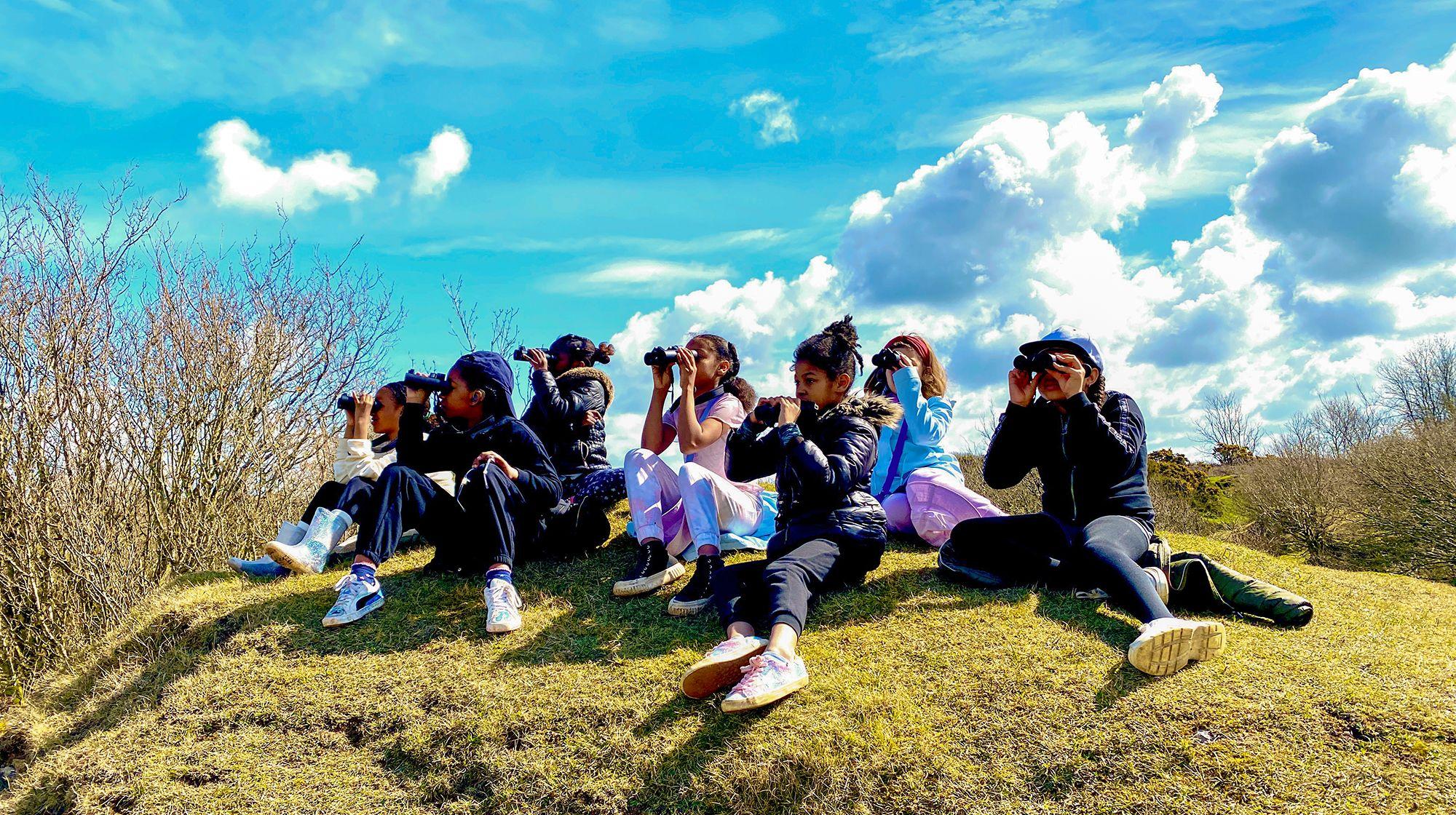
 Cool Earth, a UK charity, partners with those already protecting the rainforest and fighting the climate crisis.
Photo: Cool Earth
Cool Earth, a UK charity, partners with those already protecting the rainforest and fighting the climate crisis.
Photo: Cool Earth
Deep in the Peruvian Amazon, 2006: César Bustamante had run out of options. As chief of the Asháninka community of Kujvrani, his people were his responsibility. They needed medicine. They needed to fix their homes. They needed to survive.
The loggers offered a solution to all of his problems: cold, hard cash in return for the forest’s towering cedar trees.
Through Dilwyn Jenkins, a Welsh anthropologist who worked with the Asháninka for thirty years, Matthew Owen learned of Cesar’s devastating dilemma. Jumping into action, his fledgling Cool Earth team rushed to respond, scrambling together £20,000. It was less than the loggers offered, but it came with something invaluable - trust.
“We said, ‘This is the money, distribute it fairly and we'll be back in touch,’” Matthew recalls from his home in Devon, England. “We trust you to spend this cash exactly how you need to".
That gamble paid off. The partnership flourished, the forest remained standing, and over the following two decades, this model of unconditional support would expand across three continents.
But how did a tiny charity with no track record dare to take such a risk?
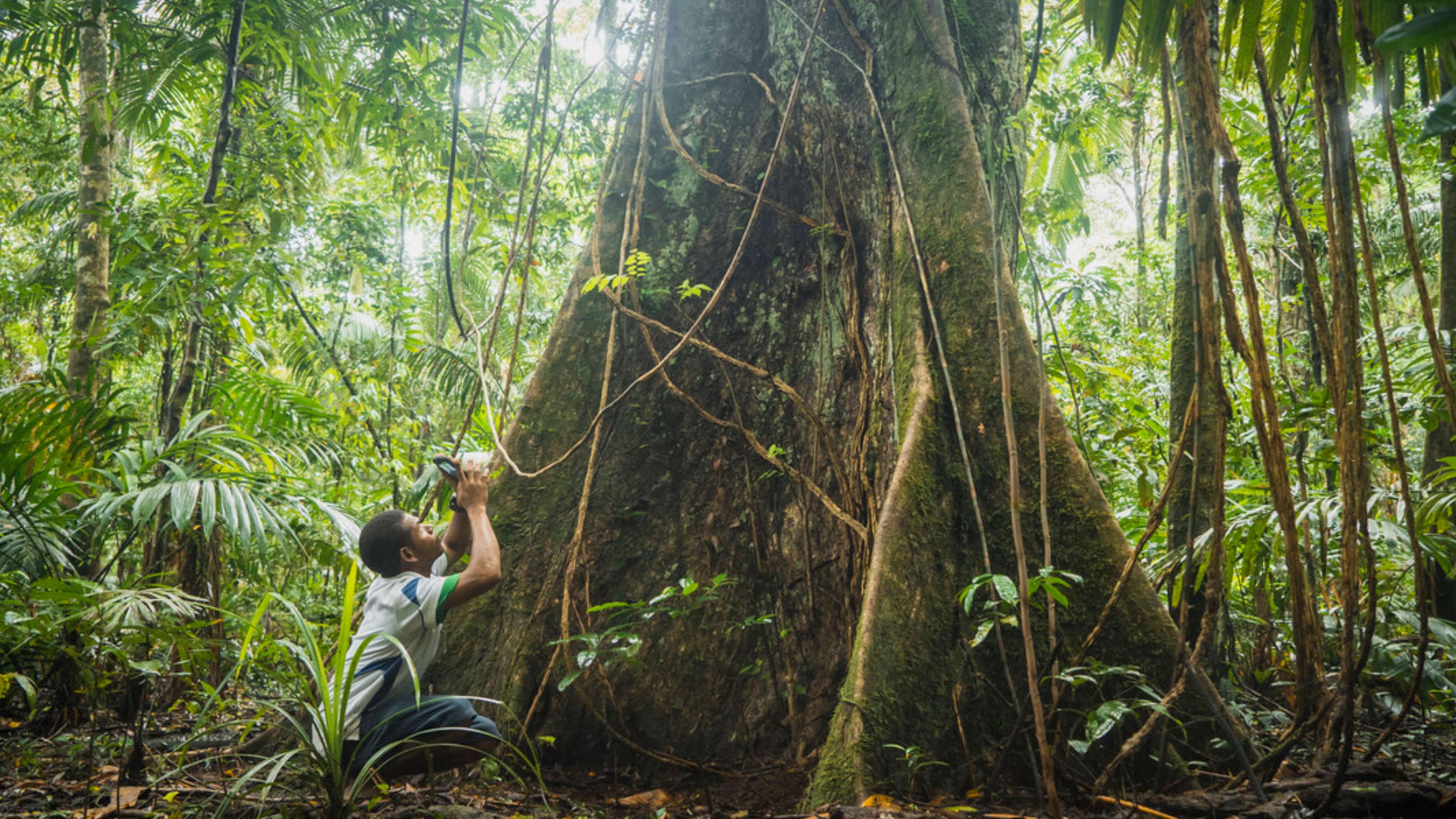
 Rainforests store an estimated 250 billion tonnes of carbon – roughly equivalent to 90 years of global emissions. However, we’re losing these rainforests at incredible rates.
Photo: Cool Earth
Rainforests store an estimated 250 billion tonnes of carbon – roughly equivalent to 90 years of global emissions. However, we’re losing these rainforests at incredible rates.
Photo: Cool EarthThe Problem of Why
The answer traces back to England, 2005, when UK politician Frank Field and businessman Johan Eliasch approached Matthew - then a financial analyst on gardening leave from Morgan Stanley - with a paradox: everyone agreed the rainforest needed saving, yet destruction continued.
Matthew's decade in finance had taught him one critical charity skill: being able to go into a room and ask for money. But Frank approached his old friend for simpler reasons - he was available, analytically minded, and drawn to solving problems.
“It was regarded as the most important political priority, yet the result from so much fantastic campaigning, non-profit work and government work often was nothing,” Matthew says. “That was really intriguing to me. Why was so little done?”
To find out, Matthew travelled across rainforest nations. What he discovered was a brutal economic reality: communities had no financial safety net. When crisis struck - a child battling malaria, floods destroying crops - the loggers’ cash offers became impossible to refuse, and once the first trees fell, further destruction inevitably followed.
Consulting with experts and communities, the picture became clearer. The ecologists blamed undervalued ecosystems - financial decisions sacrificing habitats for quick returns from logging, agriculture, or mining. “Spot on, but didn't provide much of a solution,” Matthew reflects.
Anthropologists and residents revealed the real issue: there was nowhere else to turn.
The communities weren't the problem - they were the solution under siege.
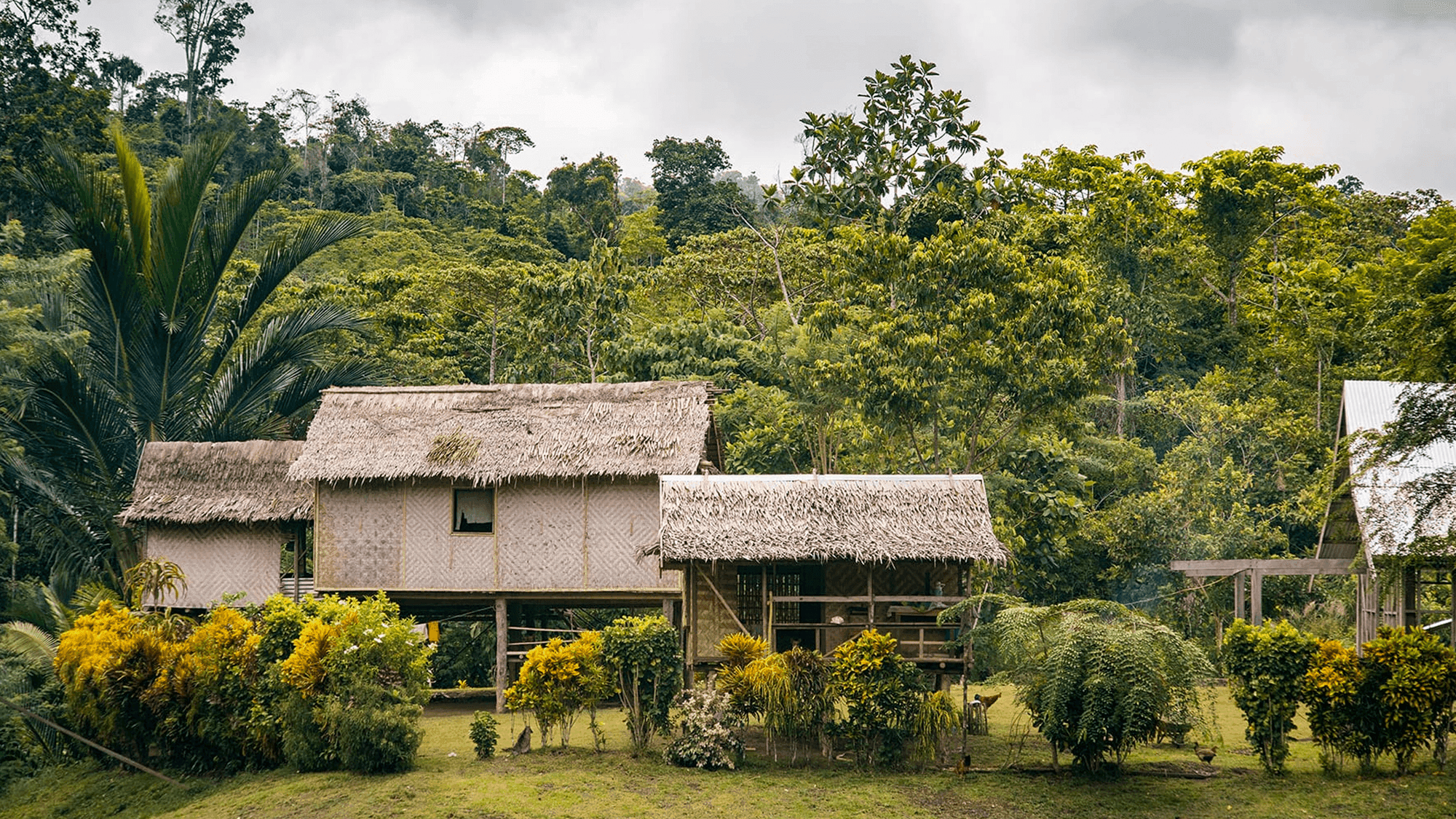 Working across the Amazon, Congo Basin, and New Guinea rainforest biomes, Cool Earth now protects nearly 2 million hectares and works alongside over 100,000 people.
Photo: Cool Earth
Working across the Amazon, Congo Basin, and New Guinea rainforest biomes, Cool Earth now protects nearly 2 million hectares and works alongside over 100,000 people.
Photo: Cool EarthTrust as Strategy
That insight drives Cool Earth’s approach: to partner with those already protecting the rainforest and fighting the climate crisis.
Rainforests store an estimated 250 billion tonnes of carbon – roughly equivalent to 90 years of global emissions. As Johan Rockström, Director of the Potsdam Institute for Climate Impact Research and a Cool Earth ambassador, warns: “We are approaching tipping points where Earth may no longer be a safe and stable home. The world's rainforests are a vital part of the planet's life support system, yet we are witnessing their destruction at record rates.”
Cool Earth’s solution is straightforward. They raise around £4.5 million annually from individuals, businesses, and foundations. The funds flow from donors to Cool Earth, then directly to community associations in Peru and Papua New Guinea - democratically elected groups that distribute funds to families or pool them for larger investments.
Why does it work? Because they treat and value indigenous communities as experts. “The service that rainforest communities are doing in terms of keeping forests standing for generations is worth an absolute king's ransom.”
Working across the Amazon, Congo Basin, and New Guinea rainforest biomes, Cool Earth now protects nearly 2 million hectares and works alongside over 100,000 people.
Ultimately, we're providing payment for the services provided by rainforest and the people who keep it standing generation after generation.
Proof in Practice
This unconditional investment yields extraordinary results. Through this partnership, some communities have lost less than 1% of their rainforest. “It's almost too good a statistic. It sounds like Domestos: 99% of forests kept standing,” Matthew chuckles. “But it’s true! In many cases, not a single material amount of forest has been lost.”
In Papua New Guinea, villages installed solar-powered street lighting, creating safer spaces for women. In Peru, the Tunants community spent 80% of their cash on 20 giant water tanks, bringing safe drinking water to everyone for the first time. In Camantavishi, they built a classroom, giving children a safe place to learn. In TsuTsum, 100% of funds went to producing 20,000 cacao seedlings, their primary income source.
Communities can now make three-to-five-year land use plans that prioritise long-term gain. Several run thriving businesses - from fish burgers to world-class cacao to jewellery that appears on the catwalks of Paris and Milan - earning far more money than Cool Earth provides.
Building on these successes, an ambitious basic income pilot is currently being tested in the Amazon - the first initiative of its kind in the region. Every adult receives $2.50 per day, with payments channelled through mothers as primary household recipients. It may sound like a small sum, but in remote rainforest communities, it can cover essentials and mark a radical shift.
“Ultimately, we're providing payment for the services provided by rainforest and the people who keep it standing generation after generation.”
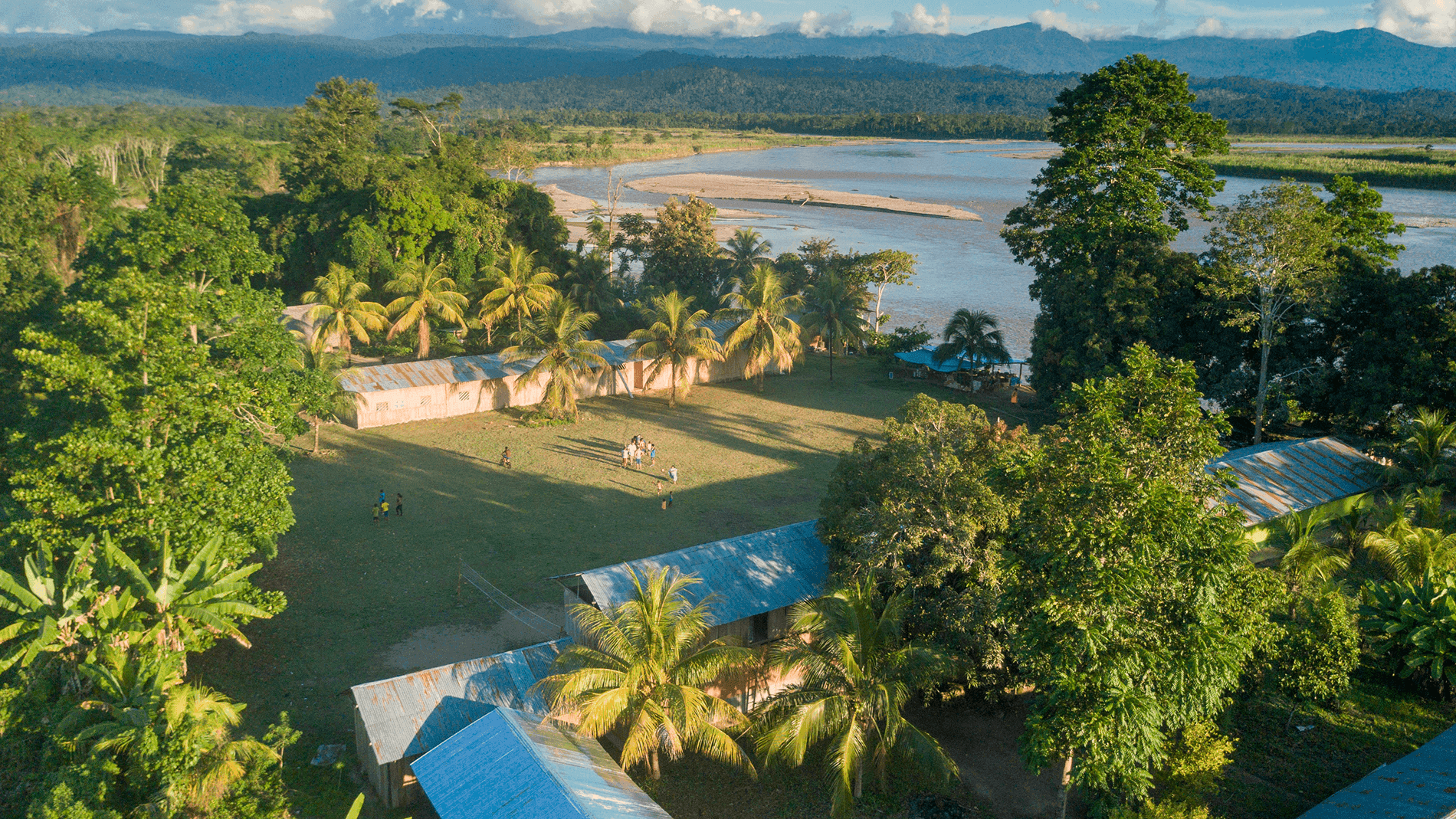 Cool Earth raises around £4.5 million annually from individuals, businesses, and foundations. The funds flow from donors to Cool Earth, then directly to community associations in Peru and Papua New Guinea.
Photo: Cool Earth
Cool Earth raises around £4.5 million annually from individuals, businesses, and foundations. The funds flow from donors to Cool Earth, then directly to community associations in Peru and Papua New Guinea.
Photo: Cool EarthTechnology as Power
Matthew argues that money is only half the equation. Data, he points out, is just as powerful and just as unequally distributed. He highlights an absurd irony: anyone with decent Wi-Fi can access detailed rainforest satellite imagery within minutes - except the people who actually live there.
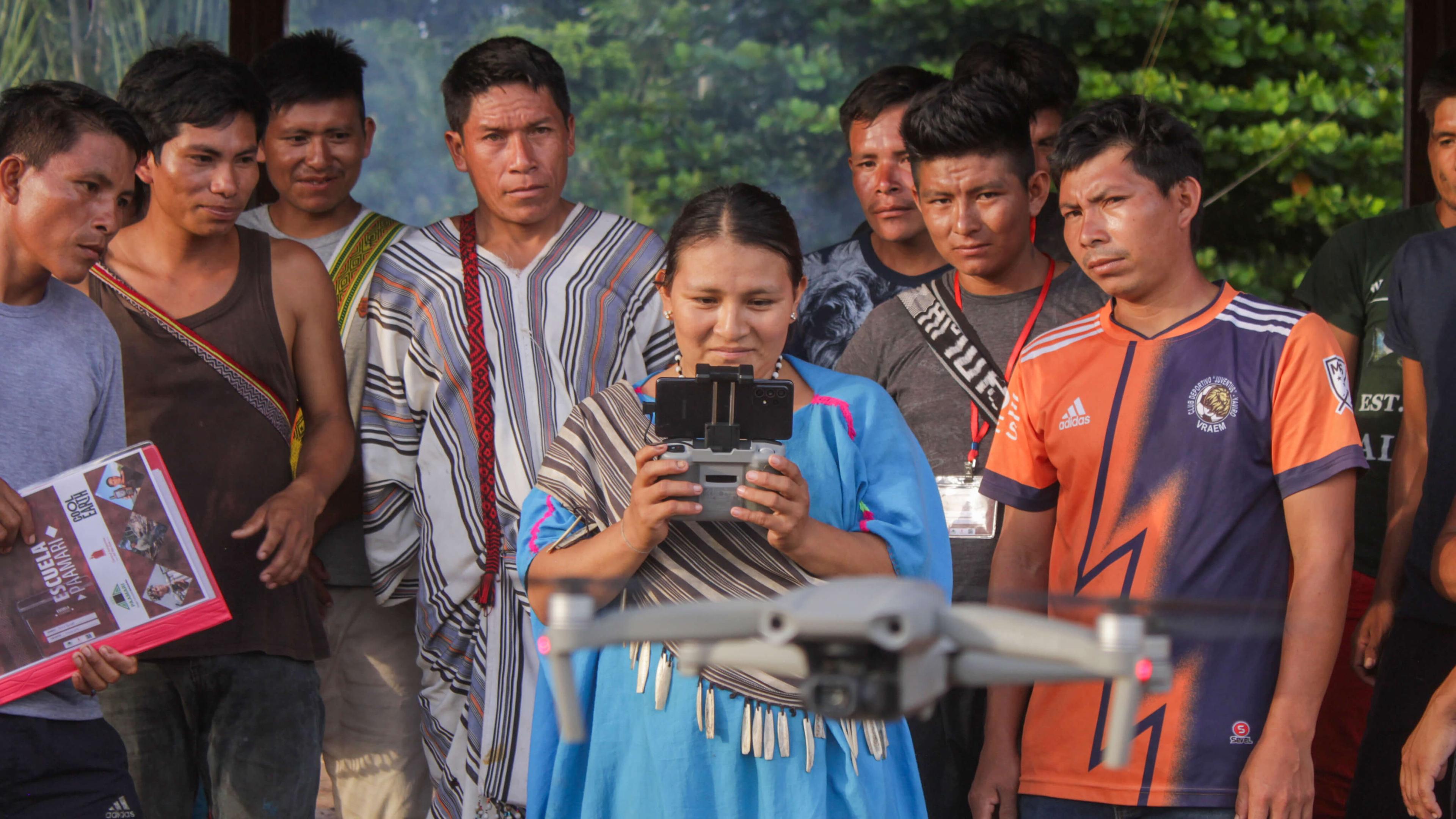
Cool Earth’s pioneering Rainforest Labs are changing that - specialist buildings in Peru and Papua New Guinea equipped with Wi-Fi, satellite imagery, tablets, GPS trackers, and solar panels - putting technology directly into local forest monitors’ hands.
Communities can now map their boundaries with precision, essential for establishing legal land tenure. Mapping, Matthew observes, is “a tremendous tool of empire. If a local community can draw their customary rights on satellite imagery and register it with the local authorities, that’s a very potent way of establishing tenure.”
This technology has enabled critical climate adaptation programmes as forest fires intensify. Through PAAMARI, developed with the Central Asháninka of the Ene River, 275 Indigenous firefighters graduated last year, helping to protect over 242,000 hectares. Equipped with satellite imagery and real-time alerts, forest fires in the region have dropped by over 50%, from 25 emergencies in 2023 to just 9 in 2024.
The labs have become hubs for citizen science, too, with community members logging species, measuring tree growth for carbon sequestration data, and testing water quality.
The easiest thing to do is just to bet on the people who live there.
Built to Last
After two decades, most of the team are now based in Peru and Papua New Guinea - which, as Matthew emphasises, is as it should be: the real expertise and decision-making sits with the people in the forest, not in Devon offices or London boardrooms.
Increasingly, communities are choosing this partnership approach over immediate logging money. Recently, when timber companies approached Cool Earth communities in Peru - part of an illegal logging industry worth an estimated $150 million annually in the region - they rallied immediately, alerting authorities and uniting with neighbouring villages to block all rainforest routes, consequently protecting vast forests to the north.
Their reasoning was simple: “We trust Cool Earth more. Cool Earth is going to be here.”
That longevity is what Matthew considers their greatest achievement. The organisation backs their commitment with a three-year financial reserve, not for operational security, but as a guarantee to the communities. If the charity collapses, the cash keeps flowing. It's a promise few would make, but one that proves trust runs both ways.
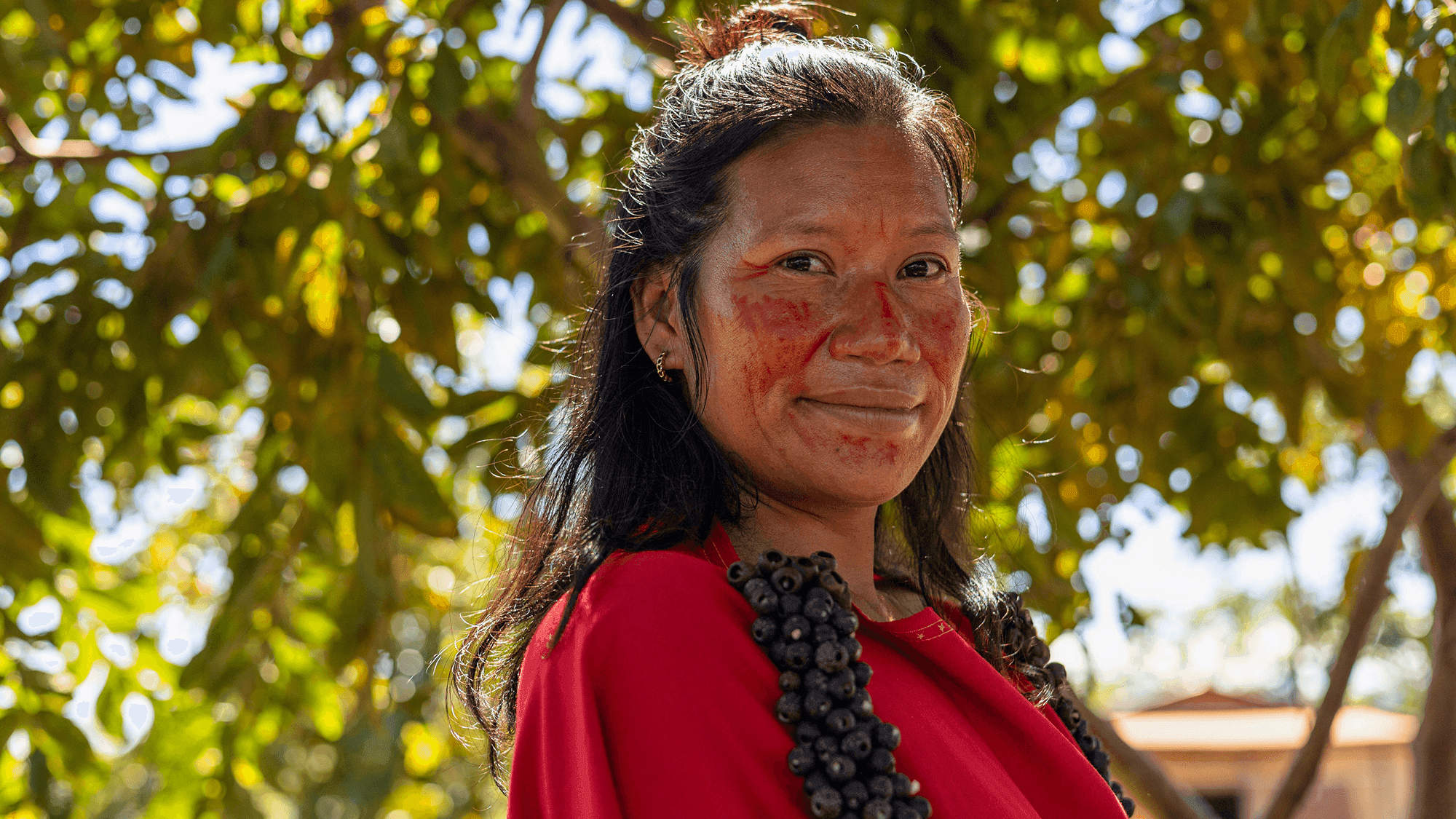 Through the partnership between Cool Earth and indigenous peoples, some communities have lost less than 1% of their rainforest.
Photo: Cool Earth
Through the partnership between Cool Earth and indigenous peoples, some communities have lost less than 1% of their rainforest.
Photo: Cool EarthThe Path Forward
None of this comes easily. Each financial year starts at zero. With US aid declining and climate scepticism rising, competition for funding is fierce amid cost-of-living pressures. But Matthew’s conviction in the model keeps him going. “What we do works. There's not many jobs where you know you're making a difference. It's a huge privilege.”
Years of working alongside rainforest communities have reshaped his understanding of the climate crisis. Acutely aware that humanity is “pushing the boundaries of the systems that make Earth habitable,” Matthew believes there is still time to act. His hope, he says, lies with the generation that will inherit the consequences - young people who understand the stakes and won’t wait for someone else to fix it.
That belief also frames Cool Earth’s ambitions. By 2030, they aim to double their reach and make the evidence irrefutable. “We need to hammer out any kinks, any contradictions, any weak thinking that can be picked up on by our critics,” Matthew says. “We need the evidence to demand action.”
That case is already compelling. Indigenous peoples manage a quarter of the planet's land, with 92% of those areas remaining healthy. Yet they receive less than 1% of development funding for climate change. Cool Earth is working to close that gap, one partnership at a time.
Back in the Peruvian forests of Kujvrani, where it all started with that £20,000 leap of faith, César Bustamante's community is preparing to mark 19 years of partnership with Cool Earth. Nineteen years of trust. Nineteen years of choice. Nineteen years of proof in a simple truth.
“The easiest thing to do,” Matthew says, “is just to bet on the people who live there.”
Most Popular

The Climate Tribe delivers stories about Biodiversity and Conservation, Circular Economy, Food and Water , and how they intersect with climate.
Subscribe
Get the latest stories inspiring climate action around the globe straight to your inbox.