Rebuilding Our World, Rebuilding Our Mental Health
Clinical psychologist Noura Amkieh stays steadfast in her conviction to help people rebuild, not their homes or their careers, but their mental health, offering solace in the midst of climate change.
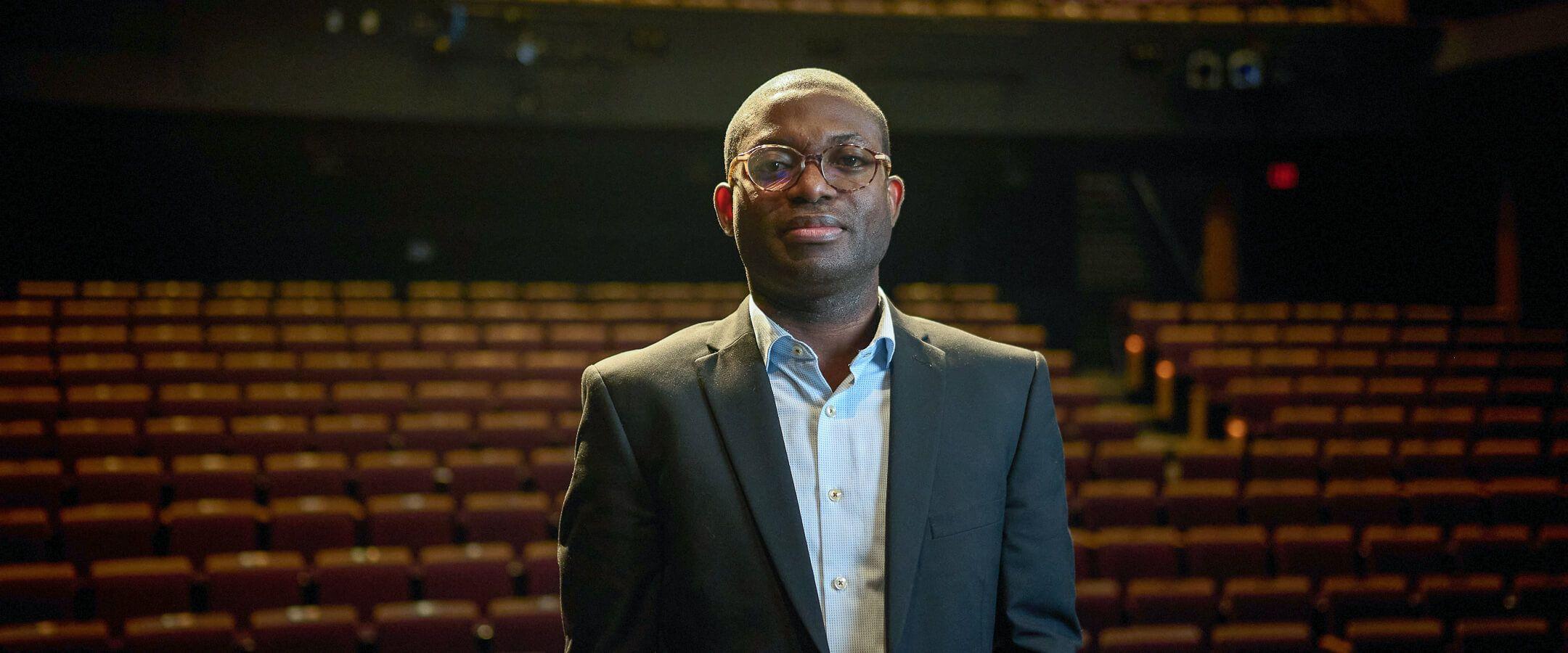
 Noura Amkieh is a clinical psychologist, helping those around her create positive mental health spaces, particularly those who have dealt with environmental loss or PTSD.
Photo: The Climate Tribe
Noura Amkieh is a clinical psychologist, helping those around her create positive mental health spaces, particularly those who have dealt with environmental loss or PTSD.
Photo: The Climate Tribe
“None of my friends can actually describe what I do,” Noura Amkieh says, chuckling softly. Her disposition is bright and grounded, perhaps from adapting to the unpredictable life in Beirut, a natural calmness that keeps her loved ones from understanding just how difficult her job can be.
Noura is a clinical psychologist based in Beirut, where she meets with many patients who struggle with PTSD and anxiety. She owns a physical clinic and also conducts online therapy and consulting, which allows her to work on various research projects with different organisations.
Noura knew from an early age that she wanted to work with and for the people around her. “I knew I loved people, and I love talking to people,” she recalls the first step on her pathway to becoming a clinical therapist. “My colleague at the time got me on this app, which allowed people to give each other counselling for mental health.”
Due to its anonymity and lax credential verification, she had to be cautious. However, Noura found this app to be her first step in connecting with others who need care. “I was talking to people who were going through all kinds of life problems,” she explains. “As complicated as these experiences sound, through talking with them I realised there’s a depth of strength in us humans that our naked eyes cannot perceive.”
Since then, Noura has filled her school years with extracurricular activities – from working with athletes to participating in Model UN, she has pursued learning new things every chance she gets. “I mesmerise myself with people with many different walks of life,” Noura shares, as this is part of her that gives her immense strength when it comes to staying connected, being prepared, and nurturing a strong core against what can seem like incessant assault to one’s nervous system.
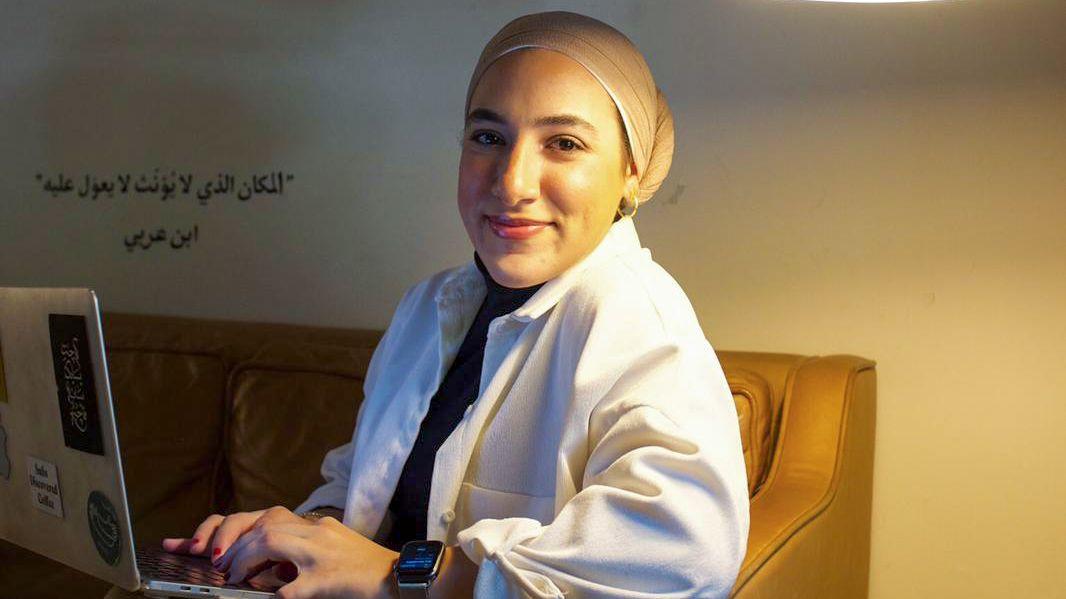 Noura knew from an early age that she wanted to work with and for the people around her in Beirut.
Photo: Noura Amkieh
Noura knew from an early age that she wanted to work with and for the people around her in Beirut.
Photo: Noura AmkiehDedicated to helping those affected by wars and ecocide, Noura’s approach isn’t “I will fix everyone’s problem” – far from it. “Therapy is pretty secular as we learn in college,” Noura points out. “We don’t learn about anything beyond what we can see – the divine powers.” Noura knows what people in this region need. “Most of whom I work with need God-centered therapy.”
Noura has worked with numerous organisations of significant purposes, such as Climate Sirens (previously featured), as an external mental health professional consultant. “One of my favourite aspects of this job is working with cool people around the world,” she says with vigour.
The project that is especially near and dear to Noura’s heart is The Salama Project, an organisation dedicated to alleviating the mental health of those who have lived through wars and other disasters. “It's centred around finding inner safety amidst all the war-torn conflicts that we go through,” Noura explains.
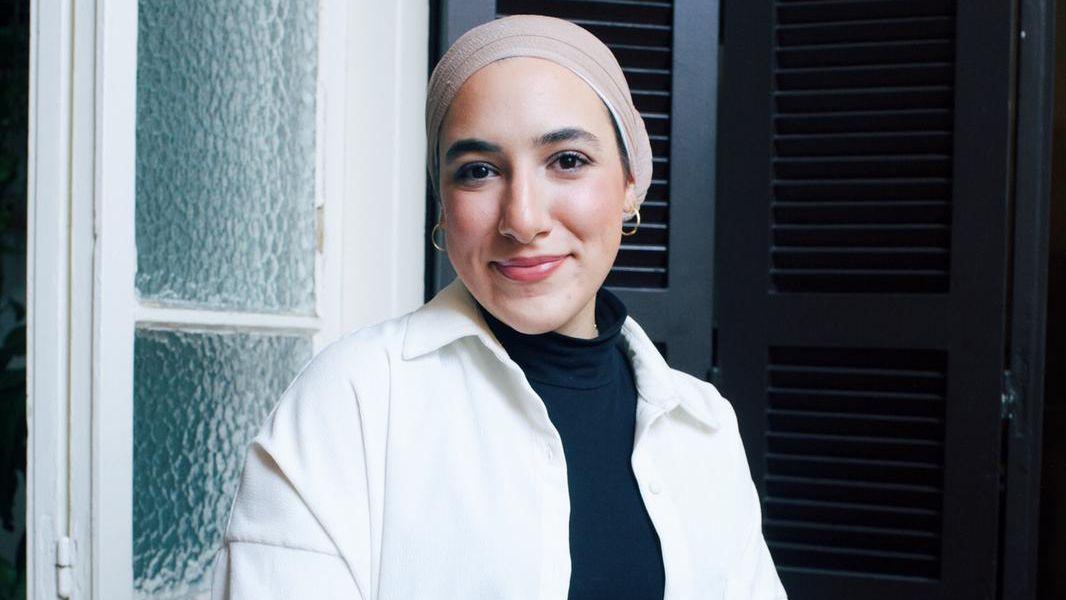 Through her work, Noura has witnessed firsthand the importance of a connection to the Earth and the environment.
Photo: Noura Amkieh
Through her work, Noura has witnessed firsthand the importance of a connection to the Earth and the environment.
Photo: Noura AmkiehWith The Salama Project, Noura helps people with trauma-related distress to establish tailored and effective community-based programs. “It’s hard to work on your mental health when you don’t have the proper infrastructure. Thankfully, we are trying to come from all sides,” she says.
Through her work, Noura has witnessed firsthand the importance of a connection to the Earth and the environment. “The destruction of their lived environment, their land, is manmade. And that feels different from the natural disasters.” She says, pointing out how the intentional destruction of the ecosystem quickly despirits people. “When you lose that, it’s something that distresses your whole being.”
So, how does Noura approach her patients who come from such profound destruction of their mental health?
“As a therapist, you can’t fix every problem; that’s impossible. People who want to work with refugees must understand that we can’t undo what’s been done,” Noura points out. “I try to remind people I work with that they are more a part of the solutions for the future than what terrible things that happened.” This way, Noura can give people their agency to spiritually navigate their situations, and remind them of their strength and the future they can take control of. “And I try to be authentic and listen, and let them know I pray for them.”
I try to remind people I work with that they are more a part of the solutions for the future than what terrible things that happened.

Noura once spoke about her ways of coping with difficult conversations in a TEDx Talk. She talks about her method “SHARE,” an acronym for Spontaneity, Humour, Appreciation, Reassurance, and Empathy. “Humour is just as important as encouraging the person to share everything that is on their mind,” something she learned from volunteering in the Lebanon Suicide Hotline.
Noura truly believes that, at this moment, something is being revived in people’s hearts all around the world.
“In this region where faith is central, we learn through our traditions that, with life, there will be hardships, and there will be ease.” Faith is essential in Noura’s practices. It is what keeps her resolutely empathetic and strong through the seemingly impossible despair her patients tend to suffer. It reminds Noura that nothing is impossible – there is a path forward.
“Therapists cannot solve all the problems – we must recognise that. But we can be here for them authentically, and pray for them.”
Most Popular
The Climate Tribe delivers stories about Biodiversity and Conservation, Circular Economy, Food and Water , and how they intersect with climate.
Subscribe
Get the latest stories inspiring climate action around the globe straight to your inbox.