Hidden wildlife of the UAE and the fight to protect it
Dr Andrew Gardner from Emirates Nature-WWF has been studying the region’s biodiversity for decades. He’s even had a gecko (Asaccus gardneri) and a scorpion (Microbuthus gardneri) named after him.
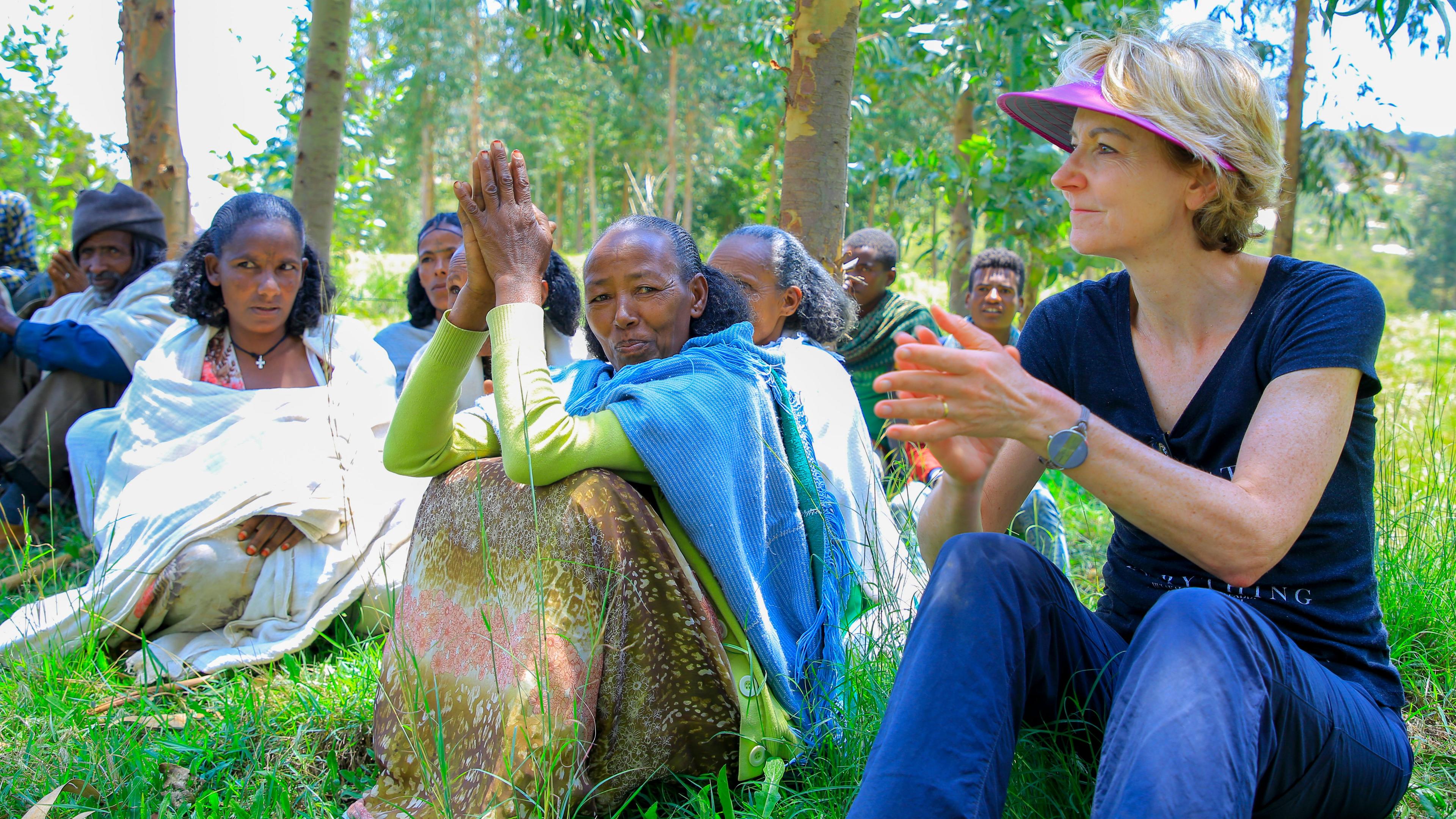
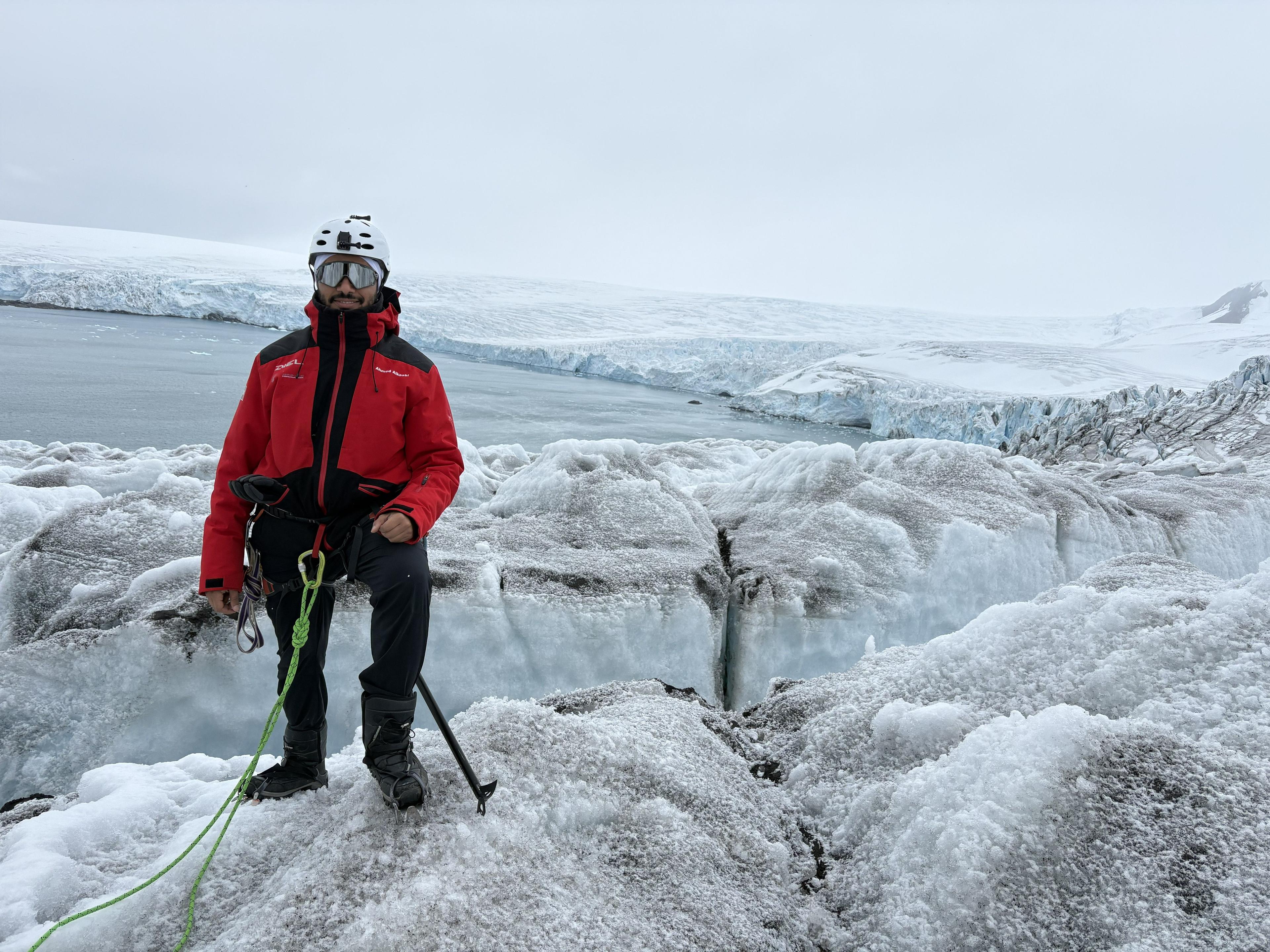
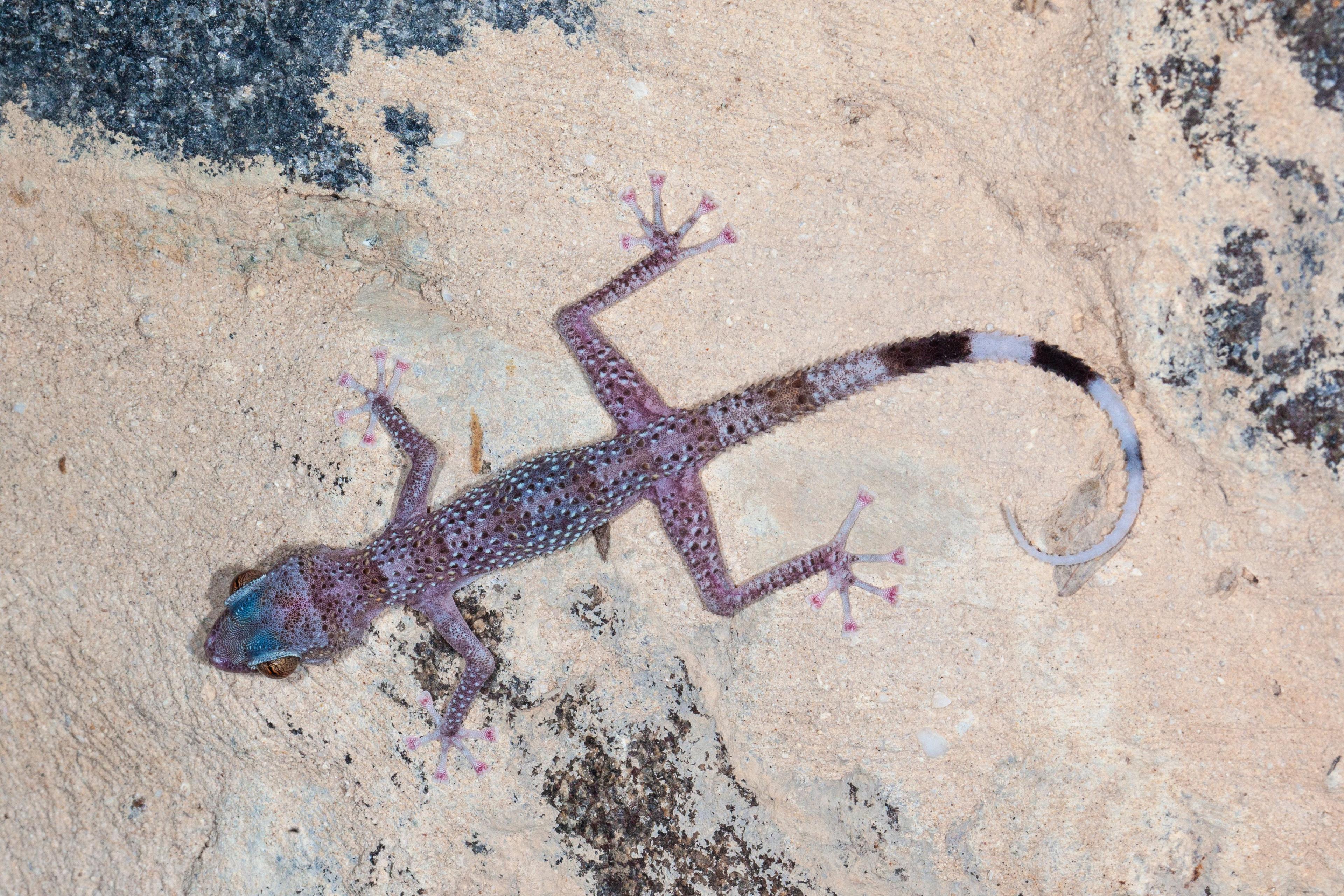 Dr Andrew Gardner from Emirates Nature-WWF has been studying the region’s biodiversity for decades. He’s even had a gecko (Asaccus gardneri) and a scorpion (Microbuthus gardneri) named after him.

The UAE may be home to the world’s tallest building and stunning city skylines, but look a little deeper, and there is a world of elusive wild cats and endangered geckos waiting to be uncovered.
Dr Andrew Gardner has been studying the region’s biodiversity for decades. He’s even had a gecko (Asaccus gardneri) and a scorpion (Microbuthus gardneri) named after him. For Dr Gardner, the rugged mountains, desertscapes, and ancient wadis – ecosystems that he says are often overlooked – represent remarkable natural heritage as well as a reminder for the need to protect the country’s unique biodiversity.
Speaking to Under The Ghaf, a podcast by The Climate Tribe, Dr Gardner, who is currently the associate director of biodiversity conservation at Emirates Nature-WWF – the local environmental charity that works in association with conservation organisation, WWF – has authored over 70 scientific publications on zoology, ecology, and the region’s flora and fauna.
Drawing on decades of experience, he argues that the UAE’s biodiversity deserves better recognition, and that protecting natural habitats must become an integral part of the country’s development discussions.
A landscape richer than it appears
Among the country’s most ecologically significant regions are the Hajar Mountains, which extend approximately 600 kilometres through the UAE and Oman. According to Dr Gardner, the UAE section of this mountain range is particularly important because of its varied geology, elevations, and freshwater resources that create habitats that are uncommon elsewhere in the country.
Conservation efforts led by Emirates Nature-WWF focus partly on these mountainous environments, particularly in Fujairah, where traditional agricultural practice also contribute to biodiversity. Small, family-operated farms, Dr Gardner says, sustained by traditional irrigation systems, provide valuable freshwater habitats for plants and animals.
One of the UAE’s most important conservation areas is Wadi Wurayah National Park in Fujairah. Covering approximately 220 square kilometres, the protected mountain landscape contains freshwater pools, the UAE’s only year round waterfall, and habitats supporting numerous rare species.
Historically, the mountains were home to Arabian leopards. Dr Gardner explains that the last reported UAE sighting occurred approximately 25 years ago, but other wild cats are still on the prowl.
Camera traps track elusive wildlife
Because many of the UAE’s wild cats, along with a number of other species, are nocturnal they are exceptionally difficult to observe. As a result, conservationists are relying increasingly on remote monitoring technology.
Dr Gardner describes an extensive camera-trapping programme in Wadi Wurayah, involving approximately 50 monitor-activated cameras deployed at any given time. Equipped with infrared technology, these devices capture images and videos of animals moving through the landscape, providing valuable evidence of species presence and activities.
“These cameras, they’re motion sensitive cameras and they have infrared lighting as well. So they work day and night. Any animal that walks in front of them triggers a camera,” says Dr Gardner.
In October 2025, Emirates Nature-WWF announced that a camera trap had picked up images of the Arabian caracal in Wadi Wurayah National Park. The species, listed as critically endangered on the UAE National Red List, had not had confirmed sightings in the area for years.
“Protecting this wild cat is a priority, not only because of its vital role in balancing ecosystems, but also because it carries cultural value and potential as a flagship for eco-tourism in the region” Dr Gardner said at the time. Just months later, in early 2026, Arabian wildcats were spotted by the trap cameras in Wadi Wurayah for the first time in at least a decade.
Other animals recorded in the area include Blanford’s foxes, hedgehogs, porcupines and several species of wild owl.
Beyond documenting wildlife, the programme provides opportunities for public participation. Through Emirates Nature-WWF’s Leaders of Change initiative, volunteers, schoolchildren, and university students can help maintain equipment and examine camera-trap images.
Participants contribute to identifying species, while multiple reviewers help improve the reliability of observations.
Every citizen can be a scientist
“You don't need to have any expertise, really, to be a citizen scientist,” Dr Gardner shares as he expresses his optimism of the growing environmental awareness, particularly among younger generations. He believes that firsthand experiences of nature can fundamentally change how people perceive the UAE’s wild spaces.
Dr Gardner points to mobile applications such as iNaturalist, which offers accessible opportunities for residents to document wildlife using smartphones. Photographs containing location and date information can become useful scientific records, helping researchers understand species distribution and identify potentially significant observations.
“There are so many opportunities because we know very little, really, about many of the creatures that live here,” says Dr Gardner. “I mean, even the Emirati leaf-toed gecko that we're talking about. We don't really have any information on its breeding season or what it's eating or anything, just observation, and that's true of so many things.”
Dr Gardner, whose academic research has focused extensively on reptiles, highlights the country's 22 species of geckos. While two species are associated with buildings, the others inhabit natural environments, particularly mountainous regions. A reptile found in a restricted area around Khor Fakkan and Wadi Wurayah.
Dr Gardner described it as the UAE's only endemic vertebrate species, meaning it occurs naturally nowhere else in the world.
This, Dr Gardner says, presents an opportunity for the public to go out and notice nature and, perhaps, even discover something new. From the tracks of Cheesman's gerbils in desert sands to rare geckos clinging to mountain rocks, the evidence of this biodiversity is everywhere for those willing to look.
As Gardner urges listeners, the first step is simple: “Open your eyes and get out there and actually see it.”
Most Popular
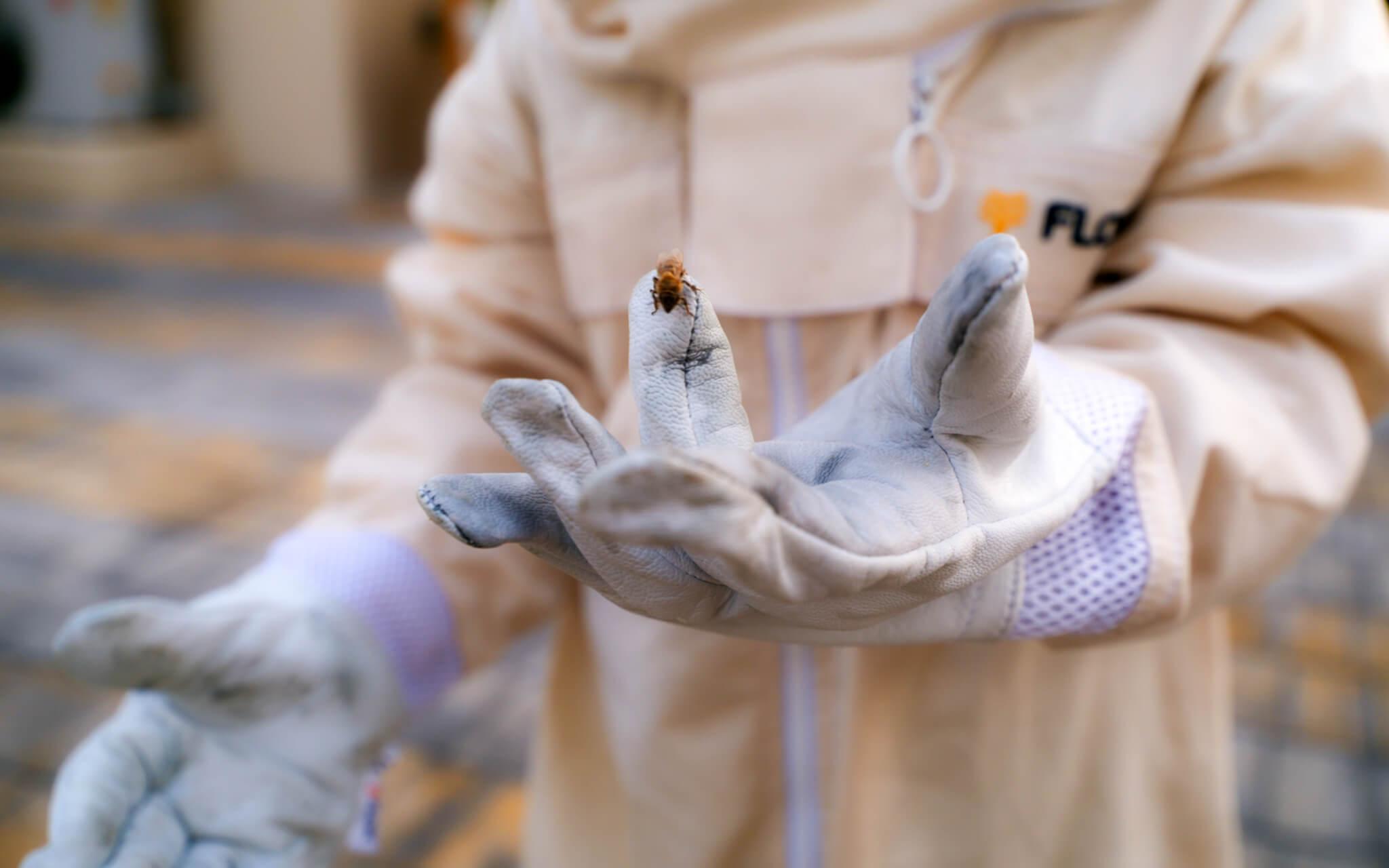


The Climate Tribe delivers stories about topics such as biodiversity and conservation, circular economy, food and water , and how they intersect with climate.
Enquire
Do you have a sustainability story that deserves to be told? Are you driving climate action in your community, or do you know someone who is? Let us know about it at [email protected]
Subscribe
Get the latest stories inspiring climate action around the globe straight to your inbox.