We Need to Talk About Climate Anxiety
Laura Carter Robinson is a clinical psychologist based in Ann Arbor, Michigan, who specialises in the mental health issues stemming from climate change and other social justice issues. With her climate psychology business Humanity and Planet, Laura strives to build human connections while creating a safe space for mental health issues.
 Based in Michigan, USA, clinical psychologist Laura Robinson works to preserve the environment and provide mental health support for eco-anxiety.
Photo: The Climate Tribe
Based in Michigan, USA, clinical psychologist Laura Robinson works to preserve the environment and provide mental health support for eco-anxiety.
Photo: The Climate Tribe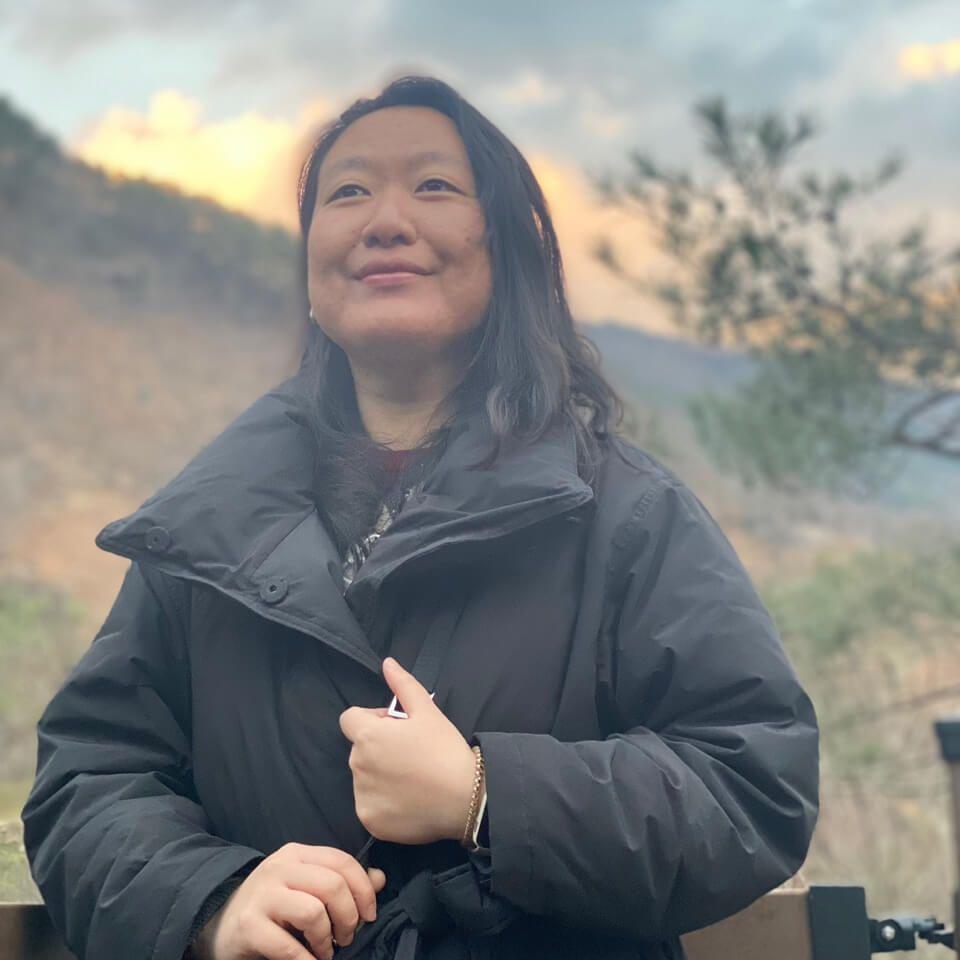
Dr. Laura Carter Robinson looks at the screen with an understanding smile. Each time she speaks, her eyes seem to say, ‘Everything is okay.’
However, Laura knows that everything is not okay. A psychologist with 15 years of experience and a degree in clinical psychology from Rutgers, her recent work has focused on helping her clients cope with the changing climate.
And she’s here to say: we can feel better even if we don’t look away.
“Most people know the term ‘climate anxiety,’ but there's sort of a broader term referred to as climate distress - and that includes grief,” Laura explains, reminding us that sometimes, where anxiety comes from is grief over the things we’re losing.
In her work, she sees it all too often. People are making themselves sick with worry, staying up all night, scrolling till they pass out, overwhelmed with new traumas. For many, the world seems to be falling apart: wars, natural disasters, and economic difficulties seem to be everywhere. It can be hard to find a moment of peace when the world’s ills sound so loud.
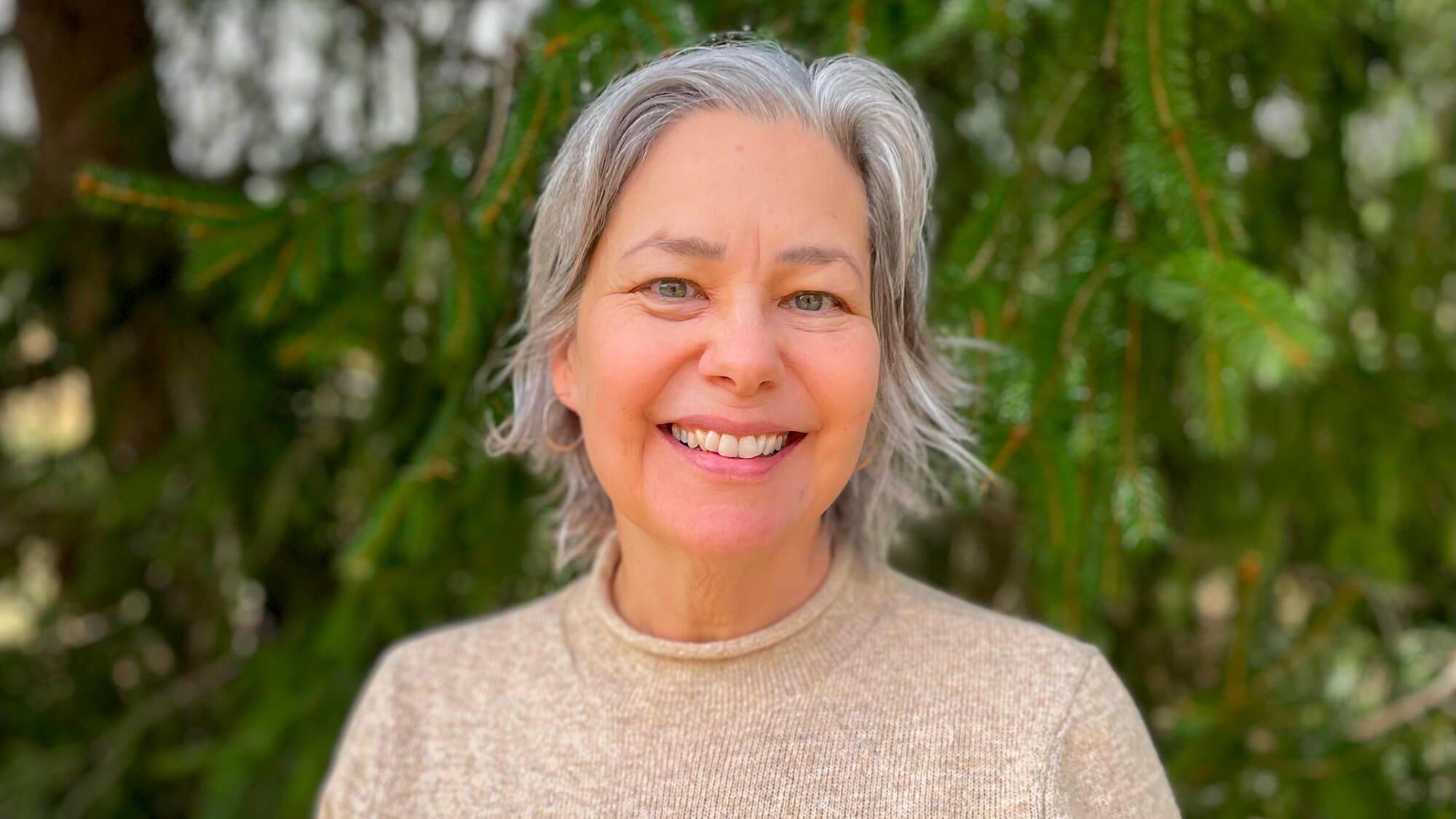 Dr Laura Robinson leads a life of conscious advocacy for nature.
Photo: Laura Robinson
Dr Laura Robinson leads a life of conscious advocacy for nature.
Photo: Laura Robinson“I grew up in North Carolina, surrounded by nature,” she says, reminiscing about how the natural surroundings of her home were her personal playground. “I played in the woods and rode horses at my friend’s farm,” she smiles. It’s obvious how much she misses those moments.
“It must have been the 70s -- Mom organised a clean-up at the stream I loved playing in,” she recalls. “No other kids’ parents came – only the neighbourhood kids. We went down to the creek and cleaned all the trash.”
This was a pivotal moment for Laura, where she learned that it’s not important how you are perceived when advocating for the right thing. It’s just important that you advocate.
“I remember learning to stand up for the things that matter, even if others around you aren't.”
And now, Laura strives to lead a life of conscious advocacy for nature. “I raised my kids in a way they honour the planet and feel deeply connected with it.” This inspires her to be her own voice in the movement against climate change. “We all have roles to play,” she says.
When the oil industry started drilling near a river in her home state of Michigan, a little over ten years ago, Laura took up the cause, founding and running a grassroots non-profit, Citizens for Oil-Free Backyards, to deter drilling practices from her neighbourhood and other areas in the state. A crucial issue, as drilling would have affected the river that provided water to downstream residents.
Laura’s organisation worked with legislators to enact reforms and regulations that kept drilling away from homes, waterways, and wetlands, while also increasing public awareness of drilling risks and educating local communities. For Laura, one of the most meaningful parts of this experience came from the close camaraderie of her team and volunteers, an experience that informs her support for those undertaking the tireless work of climate action today.
I remember learning to stand up for the things that matter, even if others around you aren't.
It was during this advocacy work that Laura noticed the pain and anguish her friends and colleagues were feeling.
“As a therapist, we tend to keep things compartmentalised,” she recalls. Laura realised that the number of clients with concerns about the environment was steadily increasing. Climate anxiety was deteriorating public health in tandem with climate change itself.
Laura began combining advocacy for environmental issues and support for climate-related grief. Laura believes that people don’t need to look away from the grief. “Anger can help activate you,” she says. However, we do need to know how to use it.
Laura’s practical approach for climate anxiety is her own take on climate-aware therapy, which helps clients with the “emotional sustainability” necessary to live with the climate crisis. Climate-aware therapy helps to develop and enhance people’s capacities for psychological growth in the face of difficult times. Part of this work emphasises people’s own roles and identities, incorporating their personal stories and choices related to climate change. For example, one person may have a background in which they didn’t learn to view themselves as part of the ecosystem of the natural world, whereas another person may already feel very connected to it; these different stories help shape their present circumstances and approach to therapy.
Bringing people back to nature is a large part of Laura’s practice, utilising her passion for the outdoors. As of 2023, she began offering Hiking Therapy and Mental Health Hikes, which take her clients outdoors. “There's so much grief around this, so much heartbreak and loss–loss of biodiversity, loss of places, even people–loss of the world we’ve known,” Laura says, urging us to notice. “Social media usage certainly isn’t helping the situation.” I nod at this fervently, looking back on my late-night doom scrolling that manifests into the next day’s anxious fatigue.
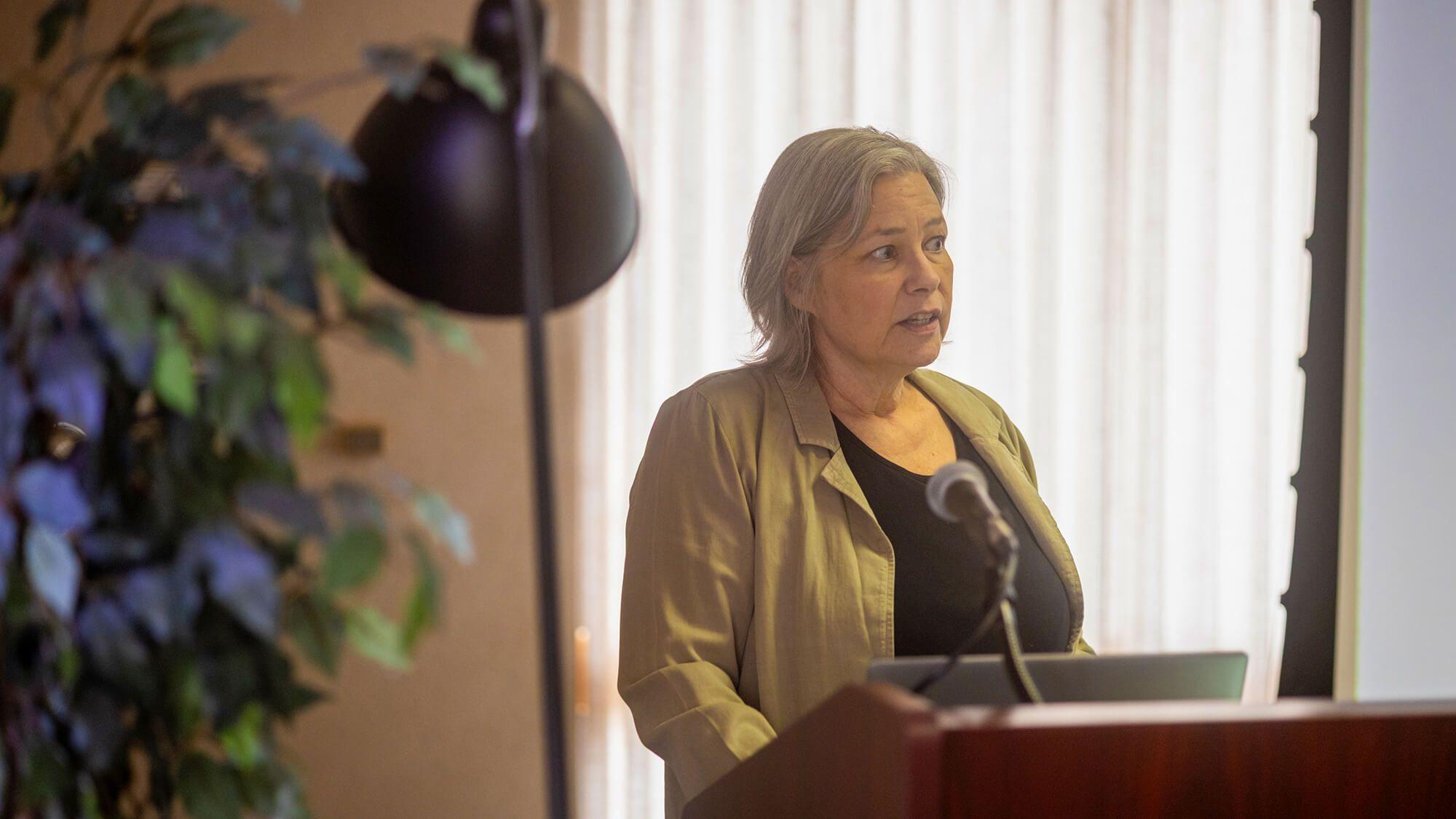 Dr Laura Robinson speaking at a mental health summit in the United States.
Photo: Laura Robinson
Dr Laura Robinson speaking at a mental health summit in the United States.
Photo: Laura RobinsonLaura reminds us that while social media has positive traits to offer, such as engaging people to do good for the climate, we must understand our needs so we’re not overwhelmed. “It really is difficult to know when to stop scrolling,” she sympathises. “The general guidelines that I think about are ‘What's the reason? What are you getting from this?’” Laura points out that people think turning away from social media means they don’t care about those experiencing climate disasters and other harms of climate change, while the opposite is often true.
“For me, that's a big one – to always remember that other people in need are not helped by your suffering on social media, but by your actions. And that happens when you’re less overwhelmed.”
Laura’s suggestion for anxiety-inducing social media consumption is simple. “I suggest people think, ' What would it be like not to pick my phone up, and instead, look around me?’” The disconnect from nature has caused immense pain, Laura believes, and people might use social media as a way to find the feeling of connection they need.
“We have this pain, moving away from nature, when we evolved right there in the natural world.” Laura reminds us. “It fragments us in many ways and keeps us away from figuring out how we want to be as people during climate change,” she asserts.
A realisation sets in. Though it’s an obvious one, it isn’t the one that’s felt deeply enough – we really need to talk about our climate anxiety. Give it a proper space as we grieve for the profound loss that’s happening around us, while enjoying the beauty that remains.
After all, as Laura reassures, “All of these things are interconnected.”
Most Popular
The Climate Tribe delivers stories about topics such as biodiversity and conservation, circular economy, food and water , and how they intersect with climate.
Enquire
Do you have a sustainability story that deserves to be told? Are you driving climate action in your community, or do you know someone who is? Let us know about it at [email protected]
Subscribe
Get the latest stories inspiring climate action around the globe straight to your inbox.