Interview with the Author: Premee Mohamed
For Premee Mohamed, a speculative fiction author from Edmonton, Alberta, climate change isn't about dystopian collapse - it's about how communities survive. Her story Who Walks With You, published in Grist's Imagine 2200 anthology, proves exactly why.
 Premee Mohamed’s short story, ’Who Walks with You,’ explores adaptation, rather than catastrophe. Set in a future Alberta of mobile pod-houses, the main character, Ysolt, navigates a megastorm with the help of a family drone.
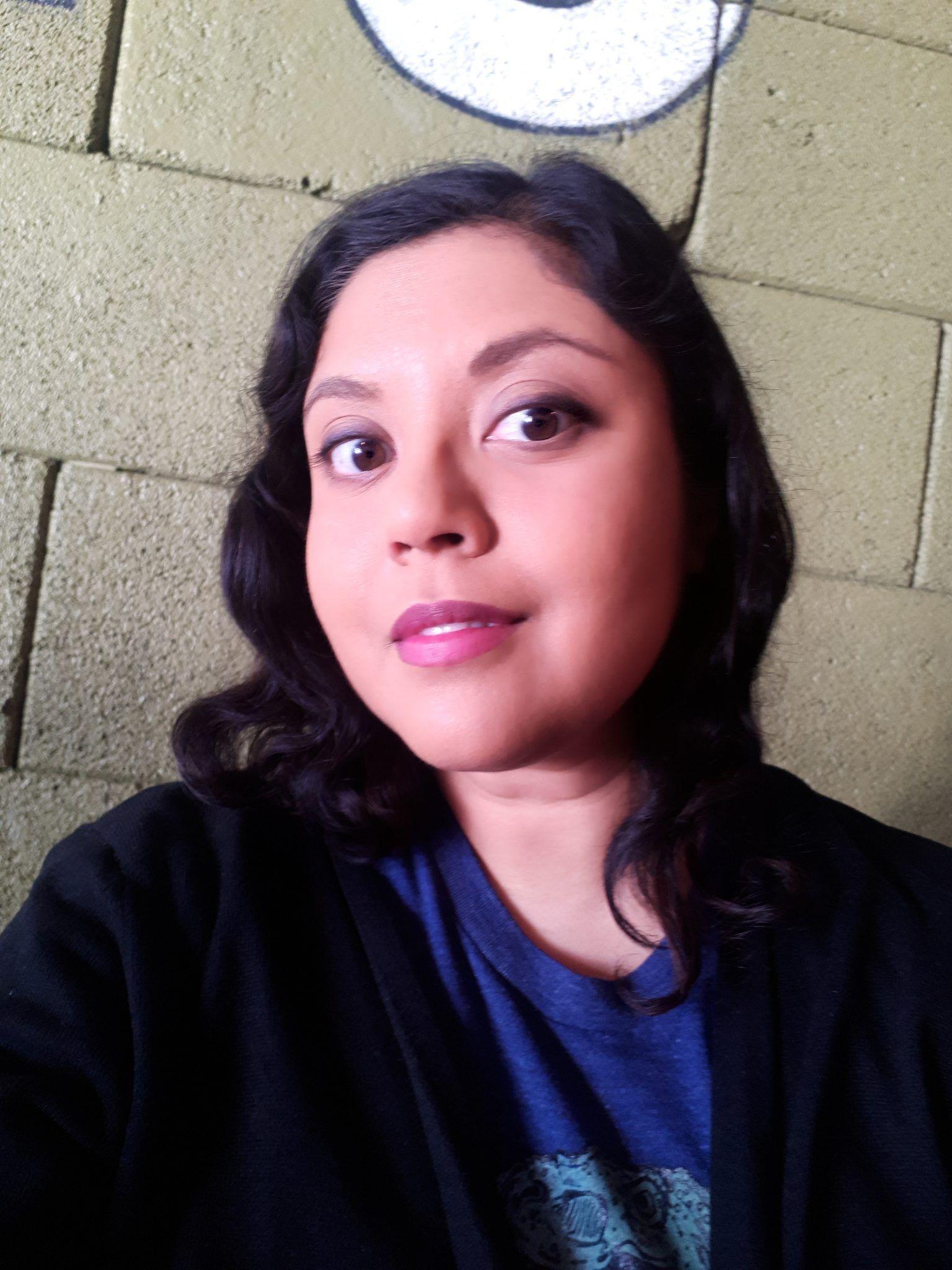
Photo: The Climate Tribe
Premee Mohamed’s short story, ’Who Walks with You,’ explores adaptation, rather than catastrophe. Set in a future Alberta of mobile pod-houses, the main character, Ysolt, navigates a megastorm with the help of a family drone.
Photo: The Climate Tribe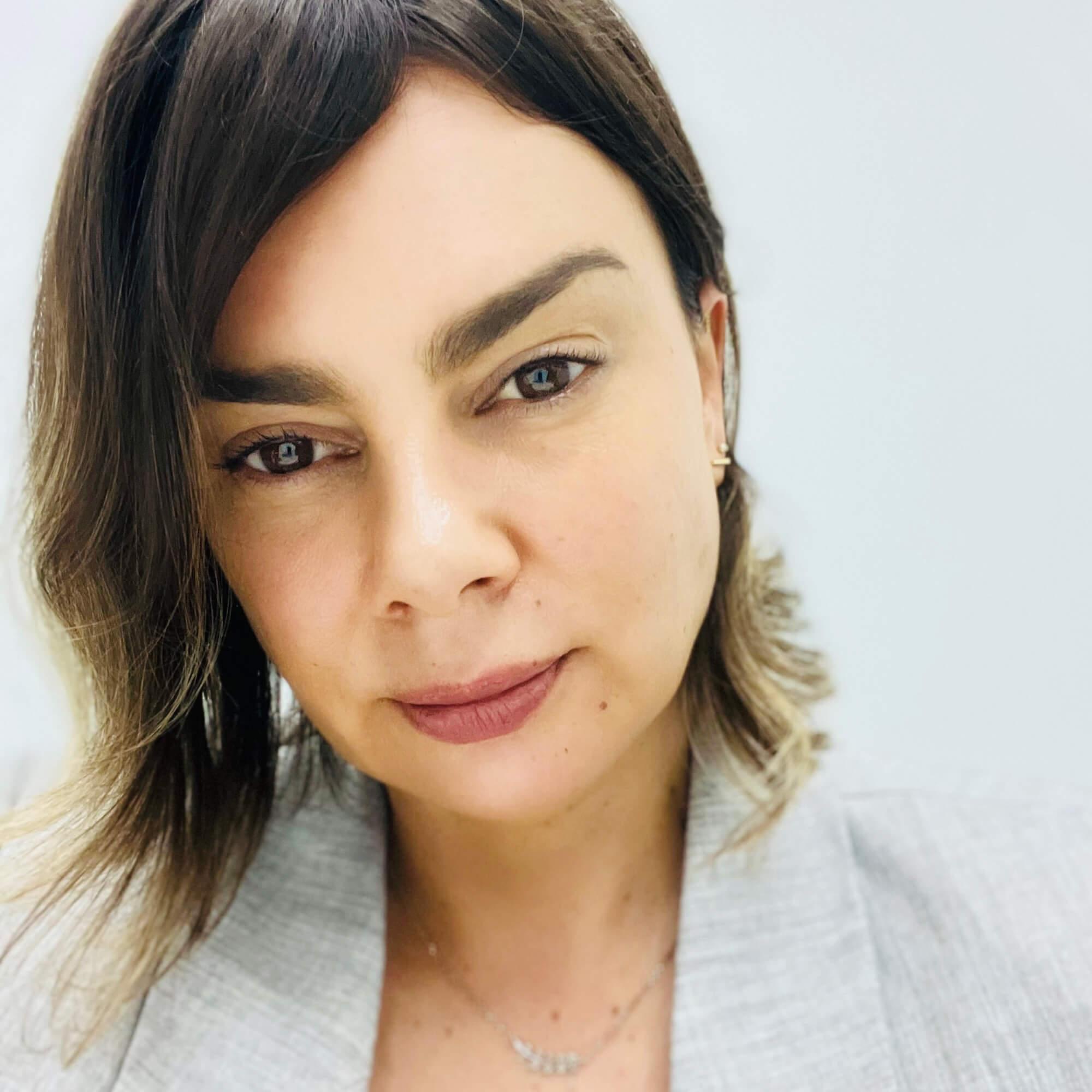
Premee keeps thinking about trailers in a tornado.
It was 31st July, 1987. An F4 tornado tore through the quiet prairie city of Edmonton, leaving 27 dead and a 30-kilometre scar across the city. At the Evergreen Mobile Home Park, untethered trailers hurtled mercilessly through the air.
She was only five, but one contrast remains vivid: isolated trailers being lifted and dropped like toys, killing those inside. But the trailers connected to infrastructure, to each other, survived.
“That's fractal, right?” she says now. “People can't live completely isolated. We rely on each other so much.”
This image became her way into Who Walks With You, a climate fiction story for Grist's Imagine 2200 collection about adaptation, rather than catastrophe. Set in a future Alberta of mobile pod-houses that migrate to avoid depleting resources, we follow Ysolt, who has only her late sister’s drone for company - after a megastorm buries her home deep in a salt ravine.
It’s not a story about the end of the world. It’s a story about what to do next.
The seeds of this story, and Premee’s way of seeing the world, were planted early. She learned to read at just two years old in a home brimming with nonfiction: National Geographic, art books, photo books. But her firm favourite was Paul de Kruif’s Microbe Hunters, a thrilling investigation into diseases and epidemics that sparked her childhood dream of becoming a scientist.
“It was a ridiculous book for a six-year-old to be reading. But I loved it. I imprinted on that book so hard,” she chuckles.
But science was never her only calling. She wrote speculative fiction alongside it, finding in both a way to explore the world. For Premee, the two were never separate: one asked questions, the other imagined answers. Climate science became not just her profession but the recurring subject of her fiction.
“Sci-fi is about what we’re doing, thinking, believing and valuing right now,” she says. “Climate data, as shocking as it is, isn’t as distressing as what the data reveals about who we are, what we value, what we’re willing to sacrifice.”
For 24 years, Premee worked in labs, heavy industry, and government, watching climate models unfold in meetings - glaciers retreating, rainfall shifting, agriculture buckling. What unsettled her most wasn't the data itself, but what it revealed about humanity. She knew the solutions existed, had existed for decades. This gap between knowledge and action crystallised into something like moral injury.
So when getting to grips with Grist’s mandate of ‘no dystopias’ in their Imagine 2200 Climate Fiction Contest, her first reaction was disbelief. How could she write a hopeful future given today’s choices? Then came a shift: instead of denying crisis, she leaned into curiosity - imagining how communities might adapt, move, and endure.
There's a way to write a story that is very scary and negative and depressing. But there's also a way to write a story that's curious and hopeful and full of solutions.
“There's a way to write a story that is very scary and negative and depressing,” she explains. “But there's also a way to write a story that's curious and hopeful and full of solutions.”
Her research pulled in two directions: backward to Indigenous migration patterns in Alberta, where seasonal movement prevented local collapse; and sideways to Bangladesh, where communities adapted through shared knowledge and resources.
For Premee, survival has never been about individual solutions. It’s about interdependence - how people rely on each other to weather a crisis.
Her protagonist, Ysolt, embodies this tension. An introvert who struggles to ask for help, convinced she can manage without support in a world demanding connection. As Premee explains: “Maybe I was putting myself in there. I find it really hard to ask for help because my impression is, ‘I can take care of myself.’ Other people need it more.”
Writing herself into that same corner, where Ysolt is literally trapped, Premee arrived at her story’s core truth: we cannot survive alone. In the climax, Ysolt must overcome her isolation by accepting help from her drones, working together to escape. Only then does her pod arrive to bring her home.
This lesson mirrors her own experience. She left her science career in 2023 when COVID devastated her health, forcing her to accept help and limitations. “We can't do everything by ourselves, and it's unreasonable to expect ourselves to,” she was living Ysolt’s realisation: you cannot survive the hard times alone.
Premee isn't optimistic about global change anymore. Too many summits, too many committees, too many recommendations that go nowhere. But she's found something else: “There will always be those people in communities who have that kind of hope and resilience and stubbornness to try to build something better, even if it doesn't spread.”
That's what she writes about now - not some distant future where everything's fixed, but a messy present where people are still flawed, still yearning, still pushing back against the world they inherit.
After every disaster, she reminds herself, people “hit and roll and get up again. They rebuild. Nothing stays a wasteland forever.”
Even when stuck - literal, professional, existential - the way out is never solo ingenuity. It's linking together. Making yourself part of something the wind can't take away.
Most Popular
The Climate Tribe delivers stories about topics such as biodiversity and conservation, circular economy, food and water , and how they intersect with climate.
Enquire
Do you have a sustainability story that deserves to be told? Are you driving climate action in your community, or do you know someone who is? Let us know about it at [email protected]
Subscribe
Get the latest stories inspiring climate action around the globe straight to your inbox.