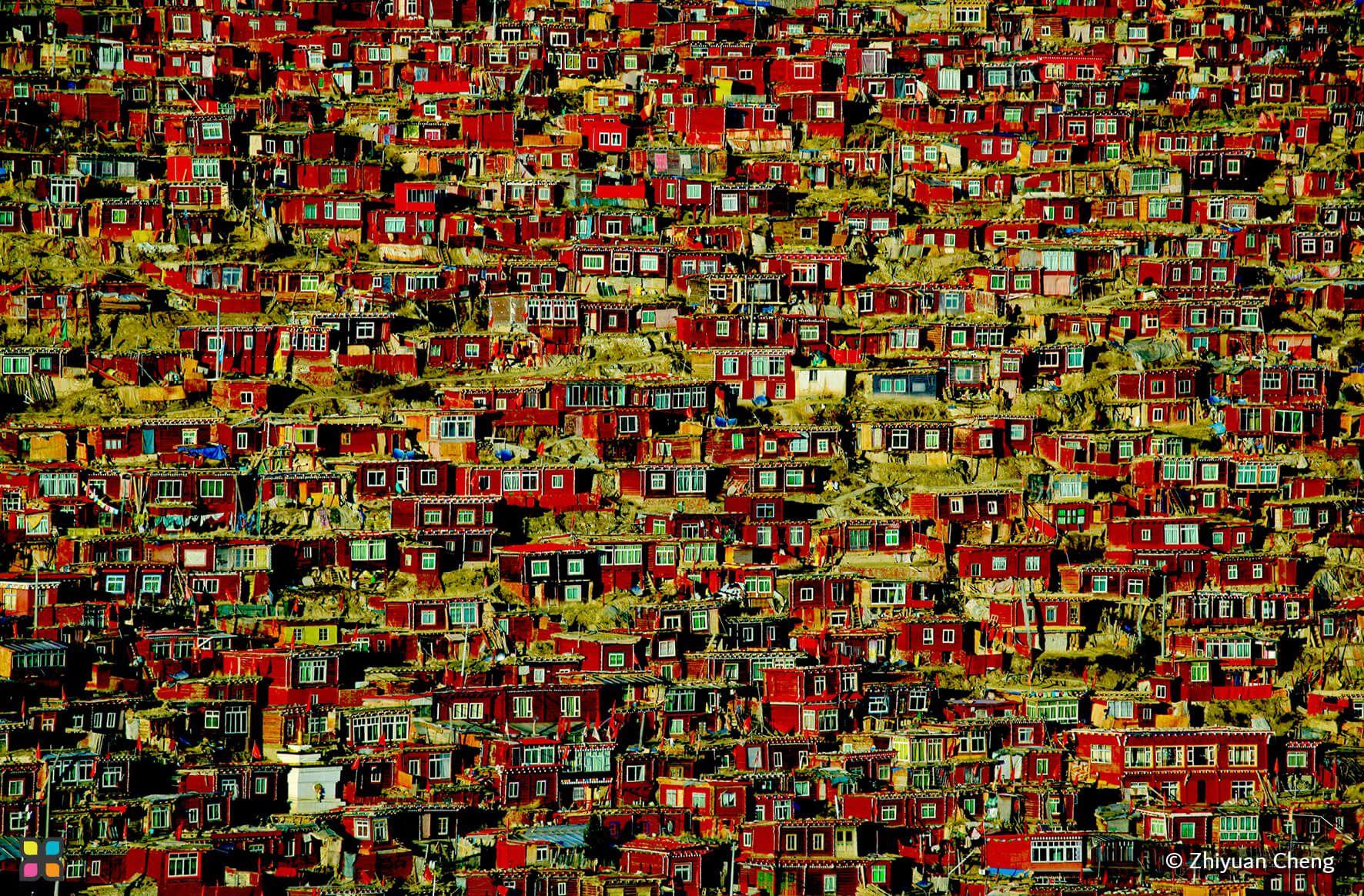
 Thousands of small, red huts nestle on top of each other in Larung Gar Valley, China. Photographer: Zhiyuan Cheng
The Larung Gar Valley in Sichuan, China, is home to a stunning site, the Larung Gar Buddhist Academy, where thousands of red huts line the valley, providing accommodation for monks, nuns and students.
In the most unlikely places, we find bursts of colour. A colour is a specific wavelength of radiation, meaning that we have the potential to see millions of colours, a vast spectrum of light that’s almost impossible to comprehend.
And for the multitude of creatures that share this world with us, their vision allows them to see the world in even larger variance. Many insects can see ultraviolet light, pit vipers can detect their prey through infrared thermal radiation, and mantis shrimp can use polarised light to identify prey.
The visual beauty of our world is overwhelming. Yet, many of Earth’s most incredible sights are disappearing with climate change and resource depletion. Protecting the unique vistas of our planet is how we’ll also protect our future.
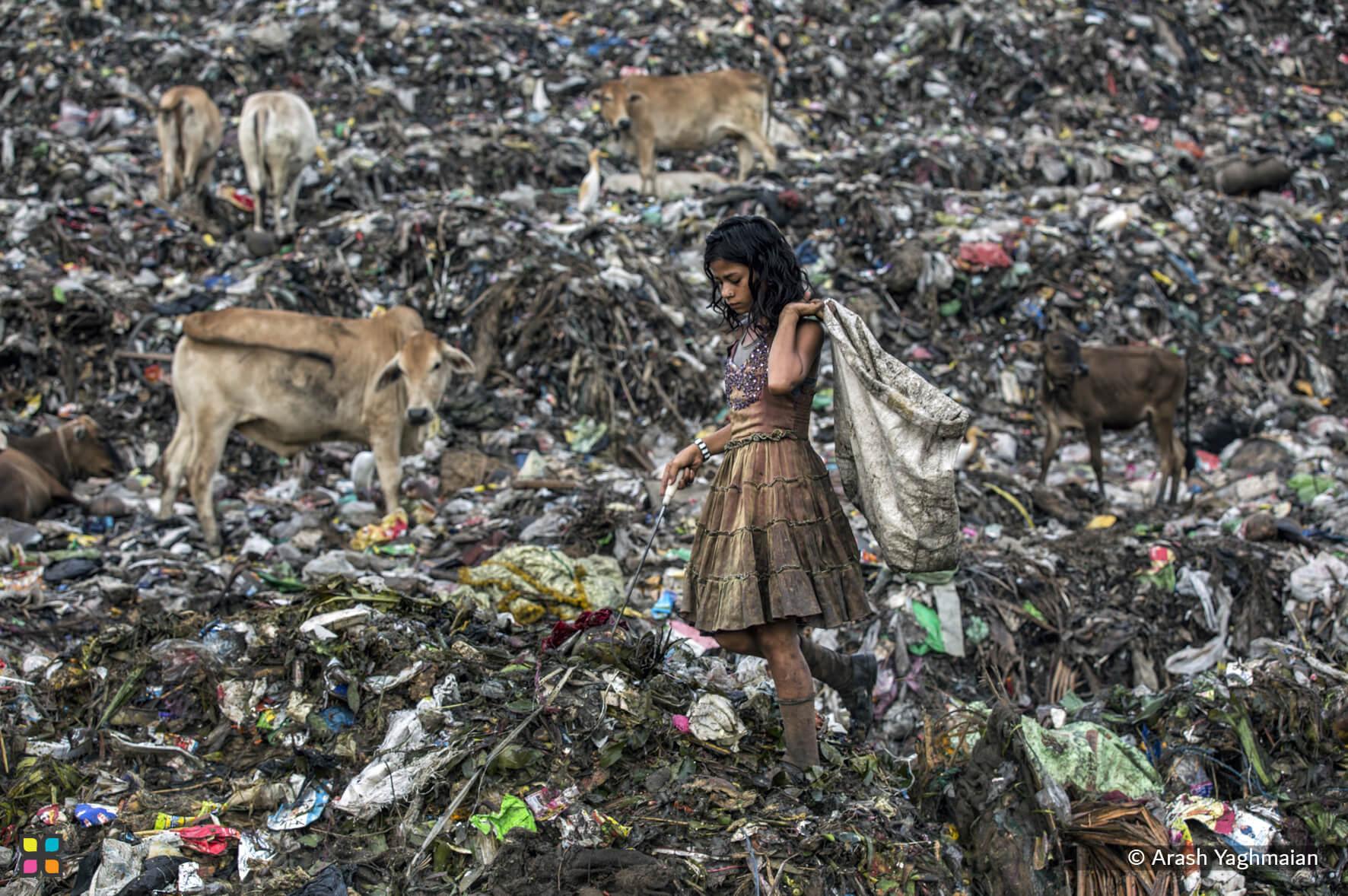
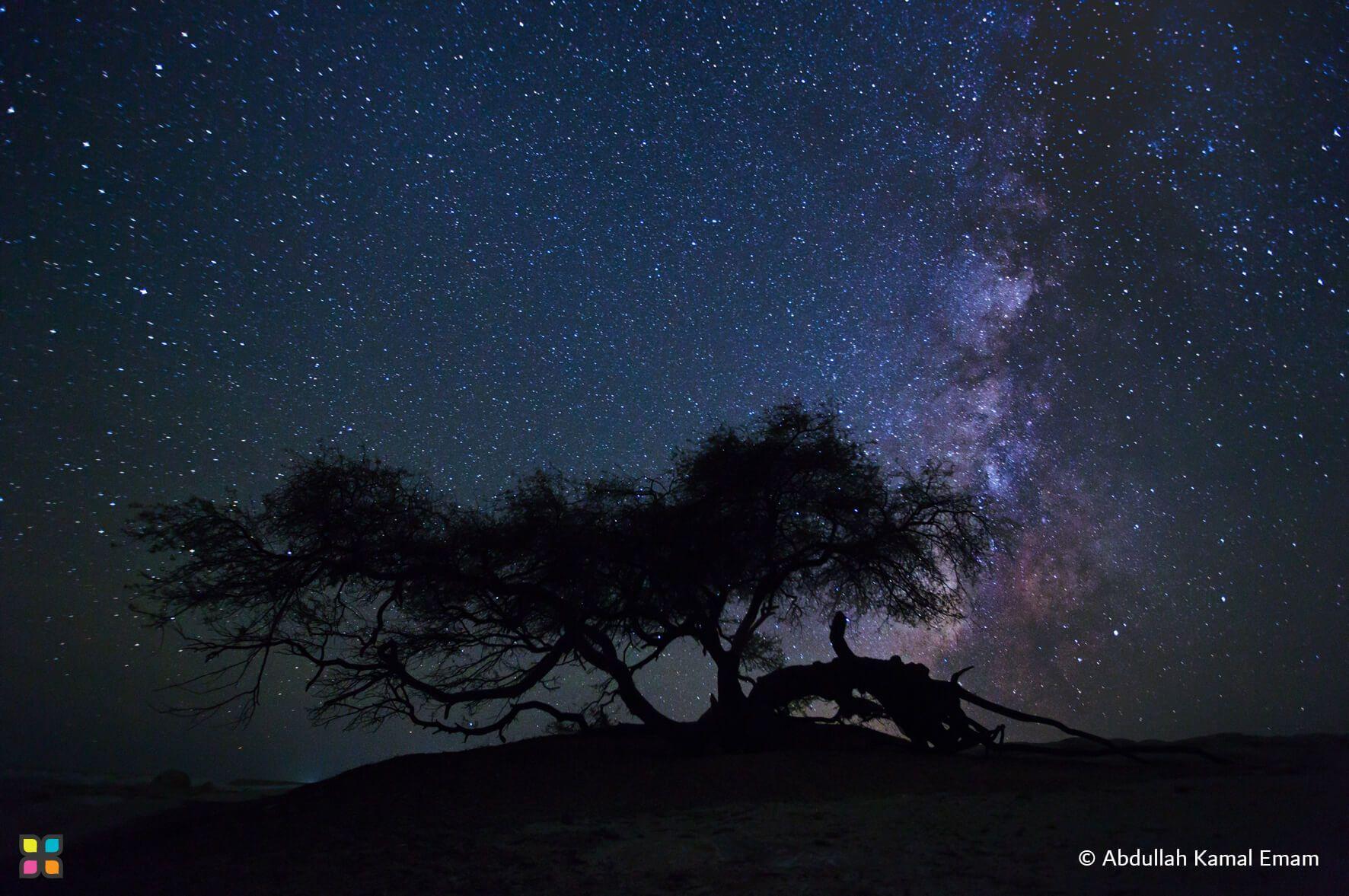
This award-winning photograph is from the fourth season, “Life in Color”, of the Hamdan bin Mohamed bin Rashid al Maktoum International Photography Award (HIPA) Archive. The Climate Tribe has partnered with HIPA, leveraging the power of photography to inspire global awareness of sustainability and advance climate action.
Most Popular
The Climate Tribe delivers stories about Biodiversity and Conservation, Circular Economy, Food and Water , and how they intersect with climate.
Subscribe
Get the latest stories inspiring climate action around the globe straight to your inbox.