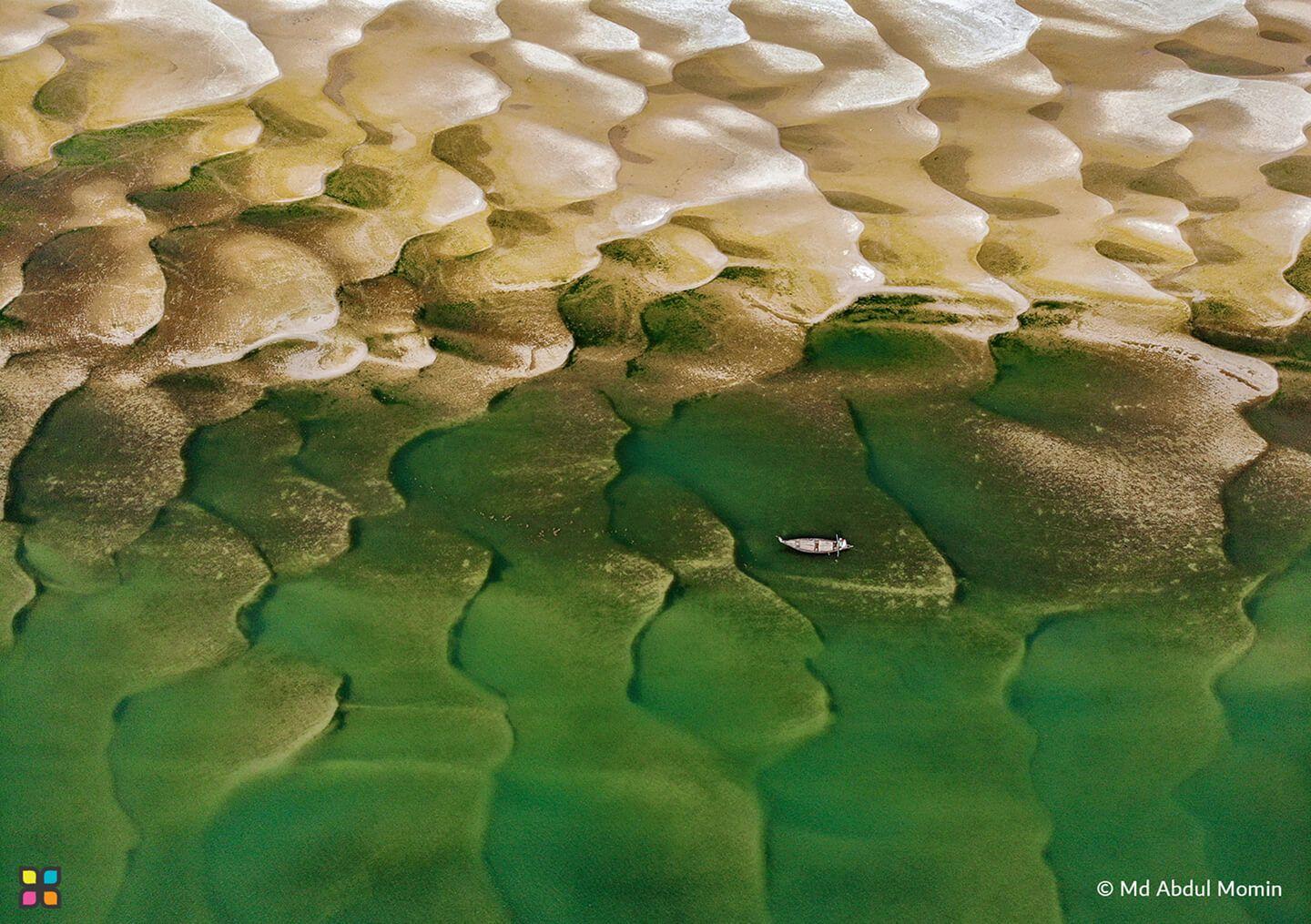
 The effects of climate change are not always ugly, as this image of shallow, turquoise water receding to leave perfect arches of desert shows. Yet behind that stark beauty lies a crisis that is reshaping the planet.
The effects of climate change are not always ugly, as this image of shallow, turquoise water receding to leave perfect arches of desert shows. Yet behind that stark beauty lies a crisis that is reshaping the planet.
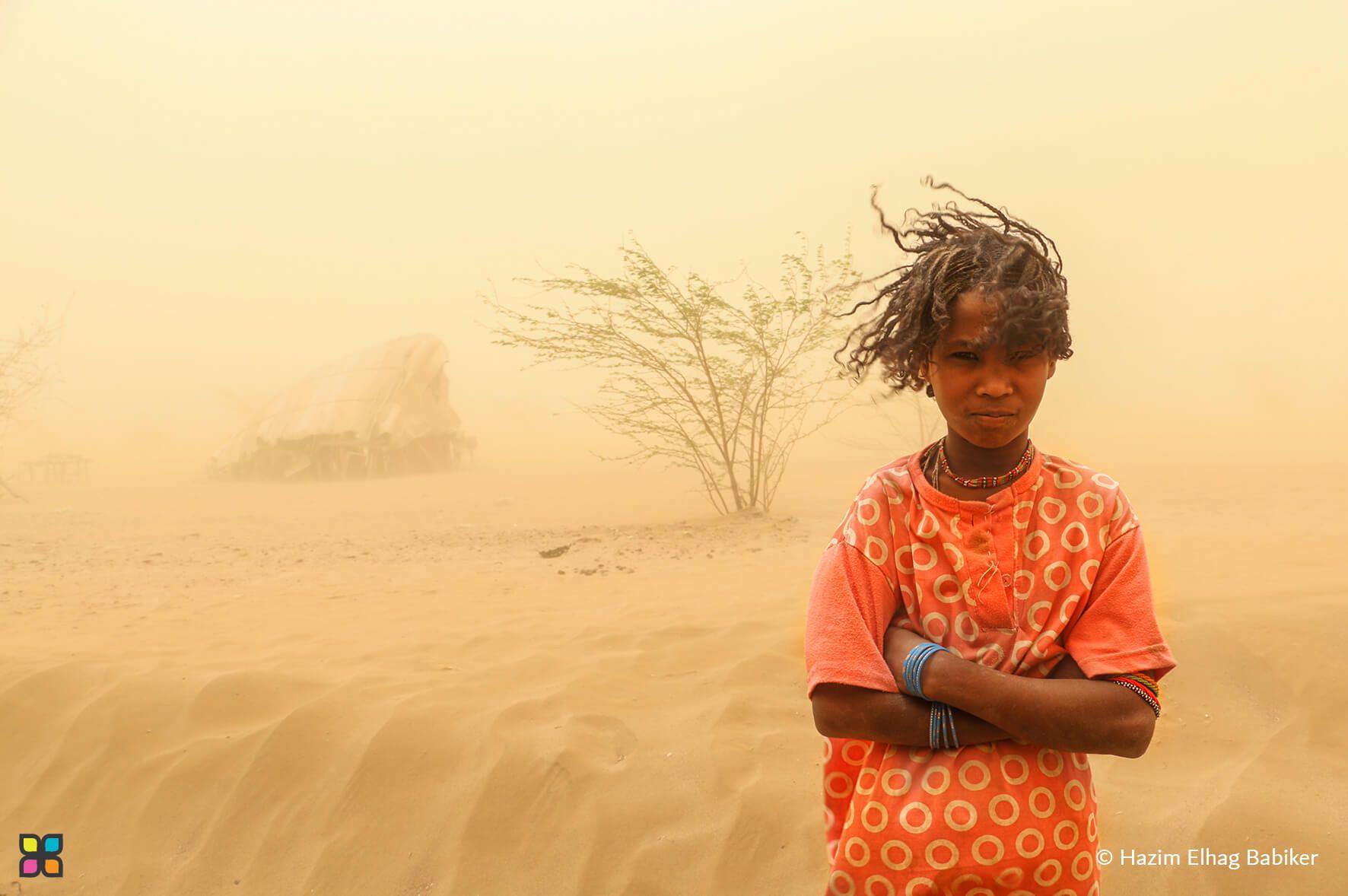
Desertification is driven by a mix of factors: prolonged drought, intensive farming, overgrazing, deforestation, and poor water management – all exacerbated by rising global temperatures.
Every year, roughly 100 million hectares of healthy, productive land are lost to degradation. That’s an area almost the size of Egypt. With around 40 per cent of the planet's land now degraded, nearly half of humanity is affected and half of global GDP threatened.
It may seem like a crisis too big to tackle, but momentum to fight back is growing, and the picture in some of the world’s driest regions is changing.
In Uzbekistan, saxaul trees have been planted across 1.6 million hectares of the dried-out Aral Sea bed, reducing the dust storms that used to blow remaining nutrients off the exposed land. And Turkmenistan has pledged to restore 160,000 hectares as part of a national drive to green its deserts.
None of this reverses the damage overnight, but it does show what is possible when governments commit real resources to the problem.
In the meantime, there are also plenty of small changes we can make on an individual level to reduce our impact on the earth’s water resources. These include:
- Cutting back on water waste at home. Shorter showers, fixing leaks, and watering gardens less often eases pressure on water systems that feed into the wider problem.
- Choosing sustainably farmed or organic produce supports agriculture that looks after soil rather than stripping it bare.
- Eating less red meat can reduce demand for the grazing land driving overgrazing in vulnerable regions.
- Planting trees, even in a back garden or through a local community scheme, helps rebuild the kind of ground cover that holds soil together.
- Supporting charities or restoration projects working directly in affected areas.
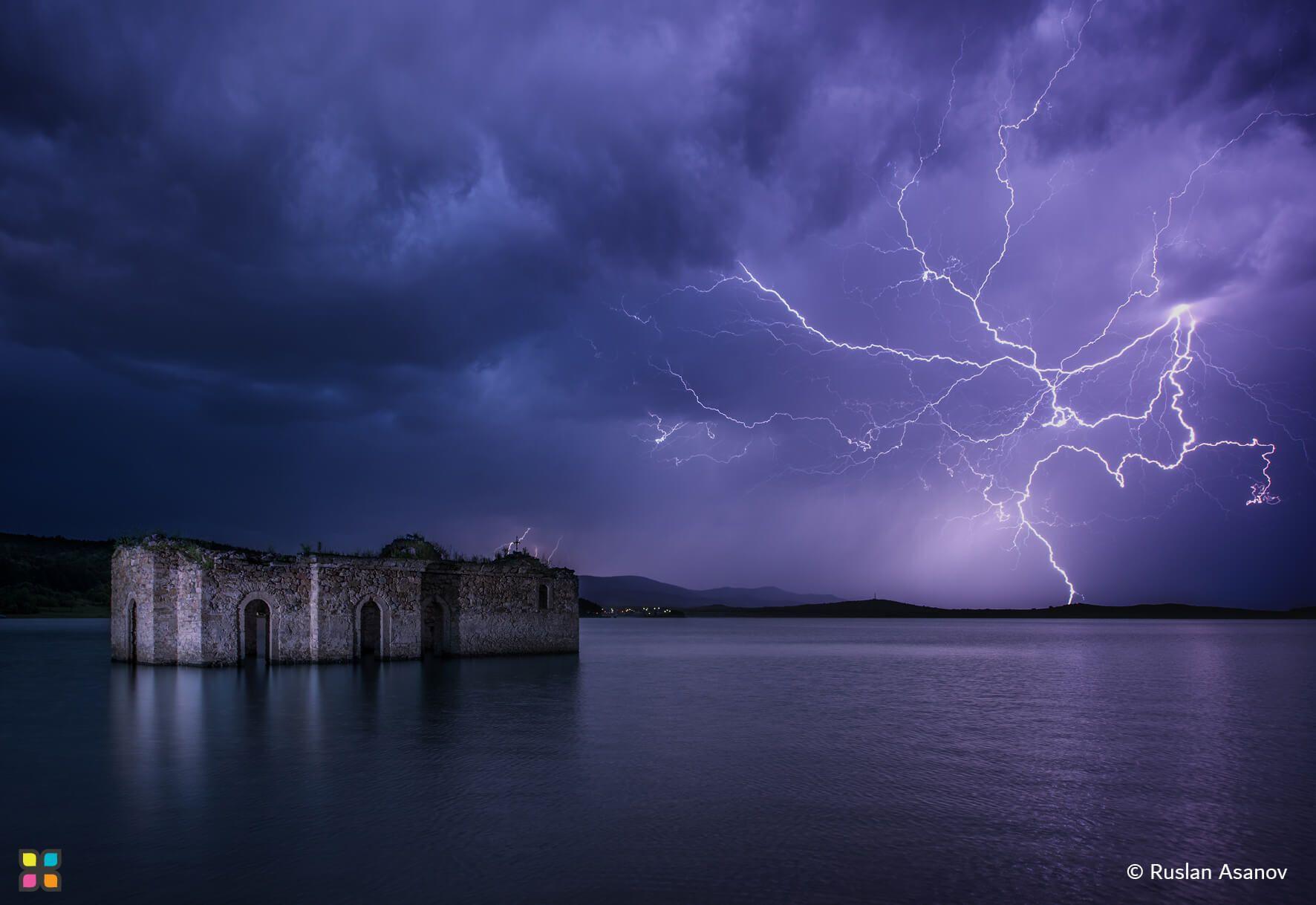
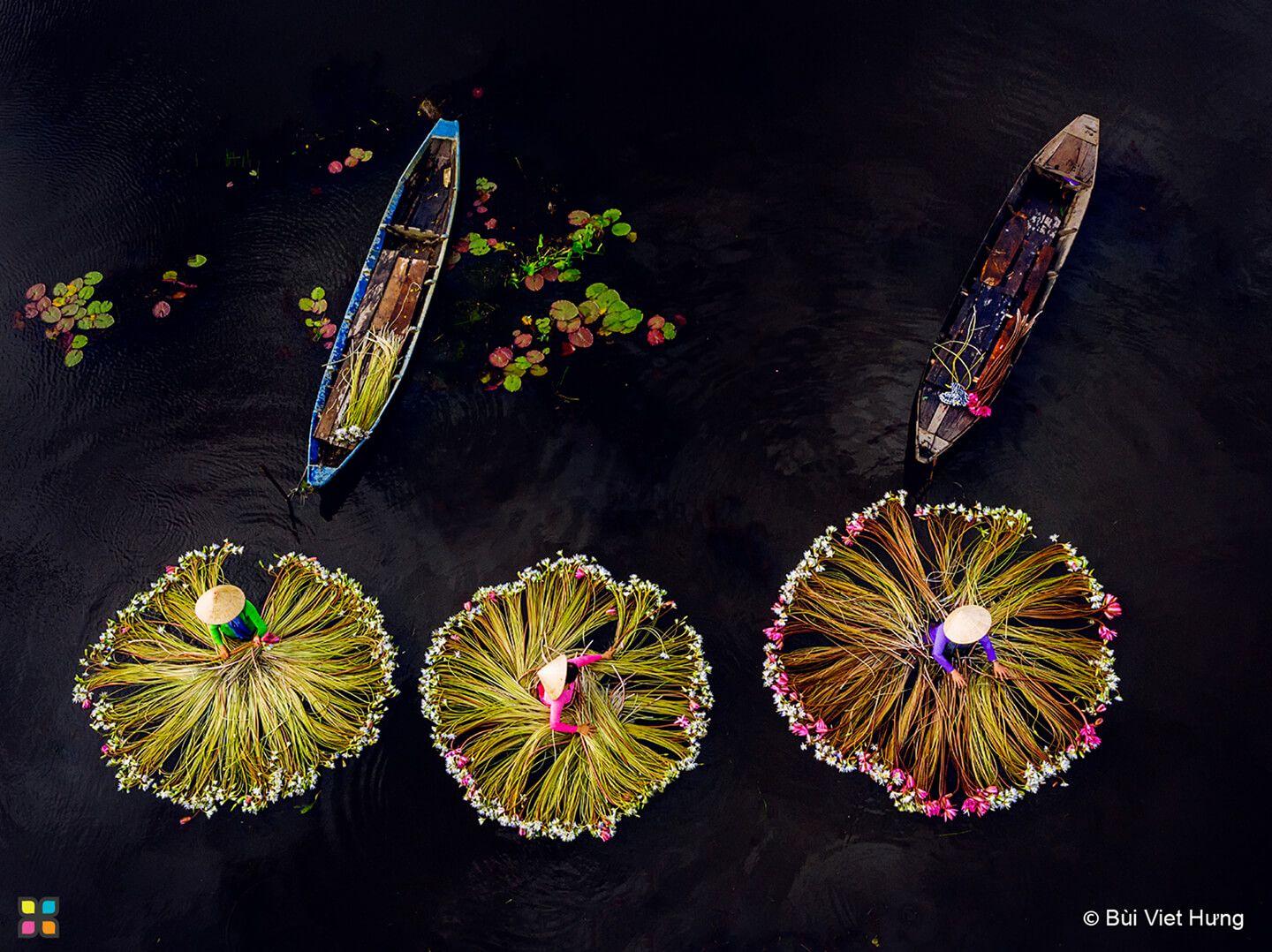
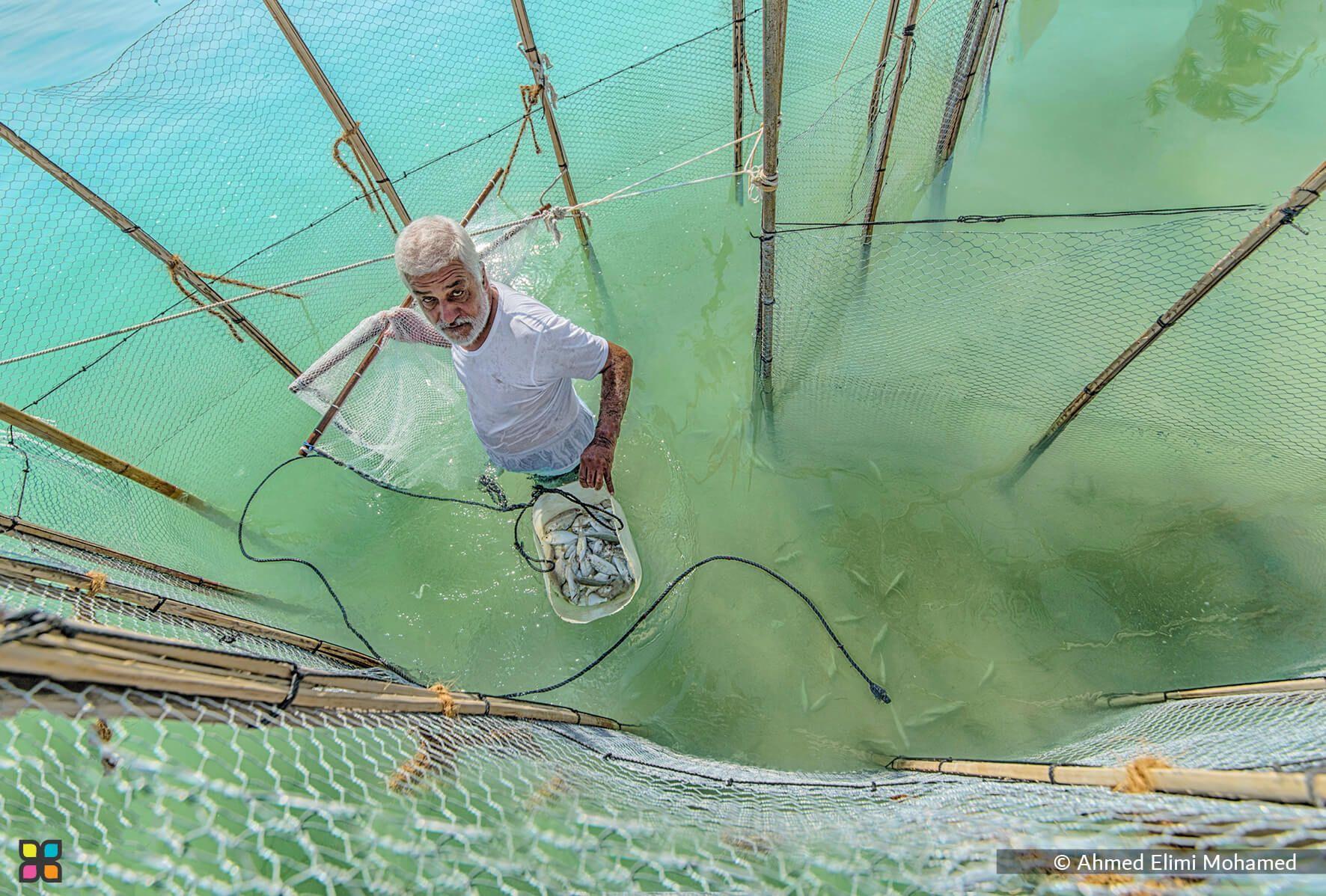
This award-winning photograph is from ‘Water’, the ninth season of the Hamdan bin Mohamed bin Rashid al Maktoum International Photography Award (HIPA) Archive. The Climate Tribe has partnered with HIPA, leveraging the power of photography to inspire global awareness of sustainability and advance climate action.
Most Popular
The Climate Tribe delivers stories about Biodiversity and Conservation, Circular Economy, Food and Water , and how they intersect with climate.
Subscribe
Get the latest stories inspiring climate action around the globe straight to your inbox.