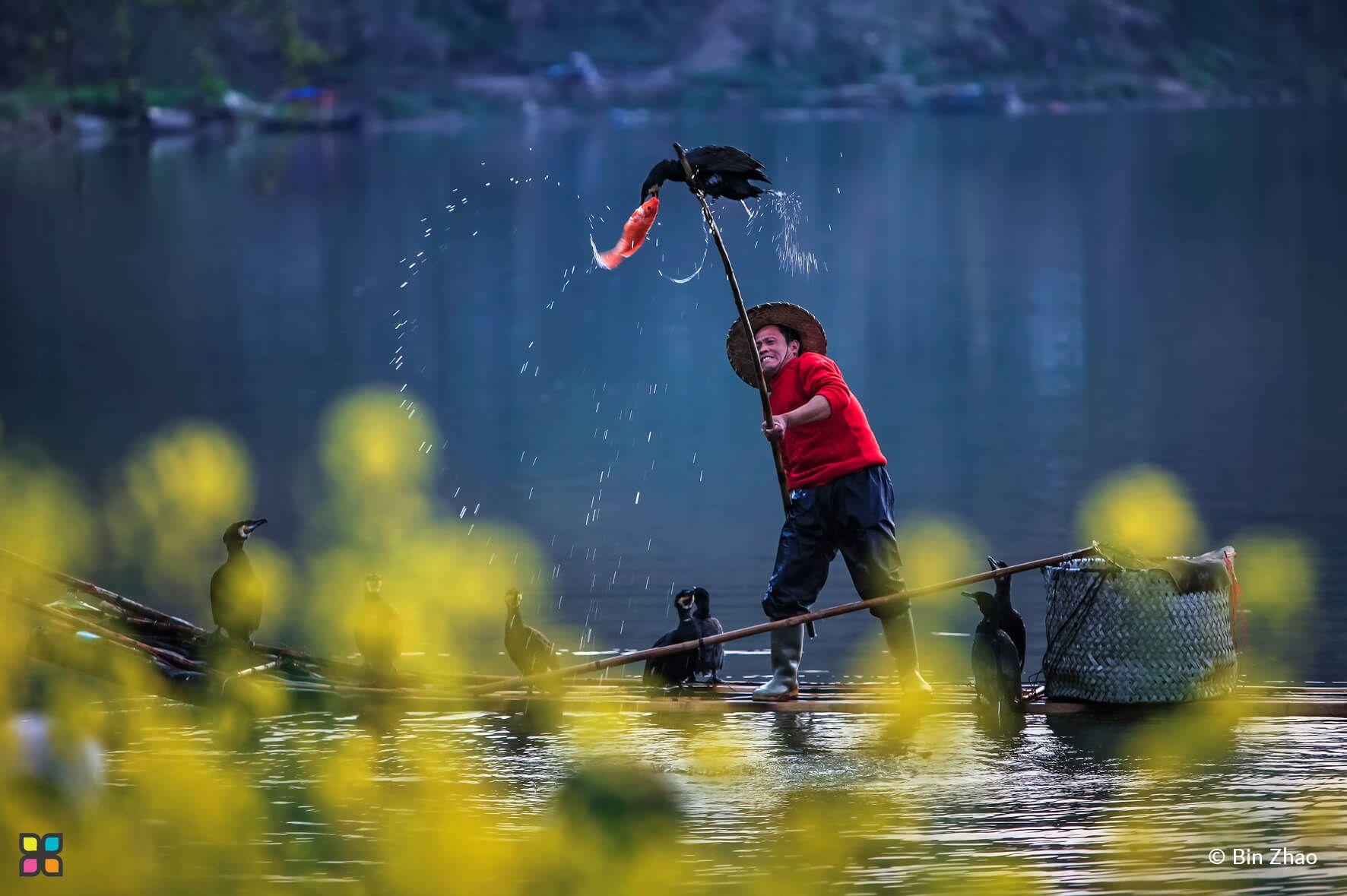
 The delicate symbiosis between species is vital to uphold healthy ecosystems – and a healthy planet.
Photographer: Bin Zhao
The delicate symbiosis between species is vital to uphold healthy ecosystems – and a healthy planet.
Photographer: Bin ZhaoNo species thrives in isolation. Alongside the visible world of predator and prey lies an intricate web of symbiotic species: bees and flowering plants, fungi and tree roots, whales and barnacles. These relationships, built over millions of years, exist in parallel with competition, where different species battle for the same prey or territory. It is this delicate counterweight of symbiosis and competition that shapes the balance of a healthy ecosystem.
Human life is woven, often imperceptibly, into this same web. The food on our plates depends on pollinators, most of it made possible by bees, moths and other insects carrying pollen between plants. The air we breathe is regulated by forests, which absorb billions of tonnes of carbon dioxide each year, work made possible by the underground world of fungi and soil organisms. Even the water we drink is filtered and cleaned by wetlands, which depend on their own web of species to function.
All this means that when ecosystems lose their balance, we lose the keys to our survival. Such a risk has, so far, failed to protect wildlife populations, which according to the World Wildlife Fund have declined 73 per cent in the past 50 years. This, adds the report, is dangerously close to irreversible global tipping points.
But there is still much we can do, starting with protecting habitats through initiatives such as rewilding projects, supporting green policies, and making daily choices that reinforce our understanding that humans exist not apart from nature, but because of it.
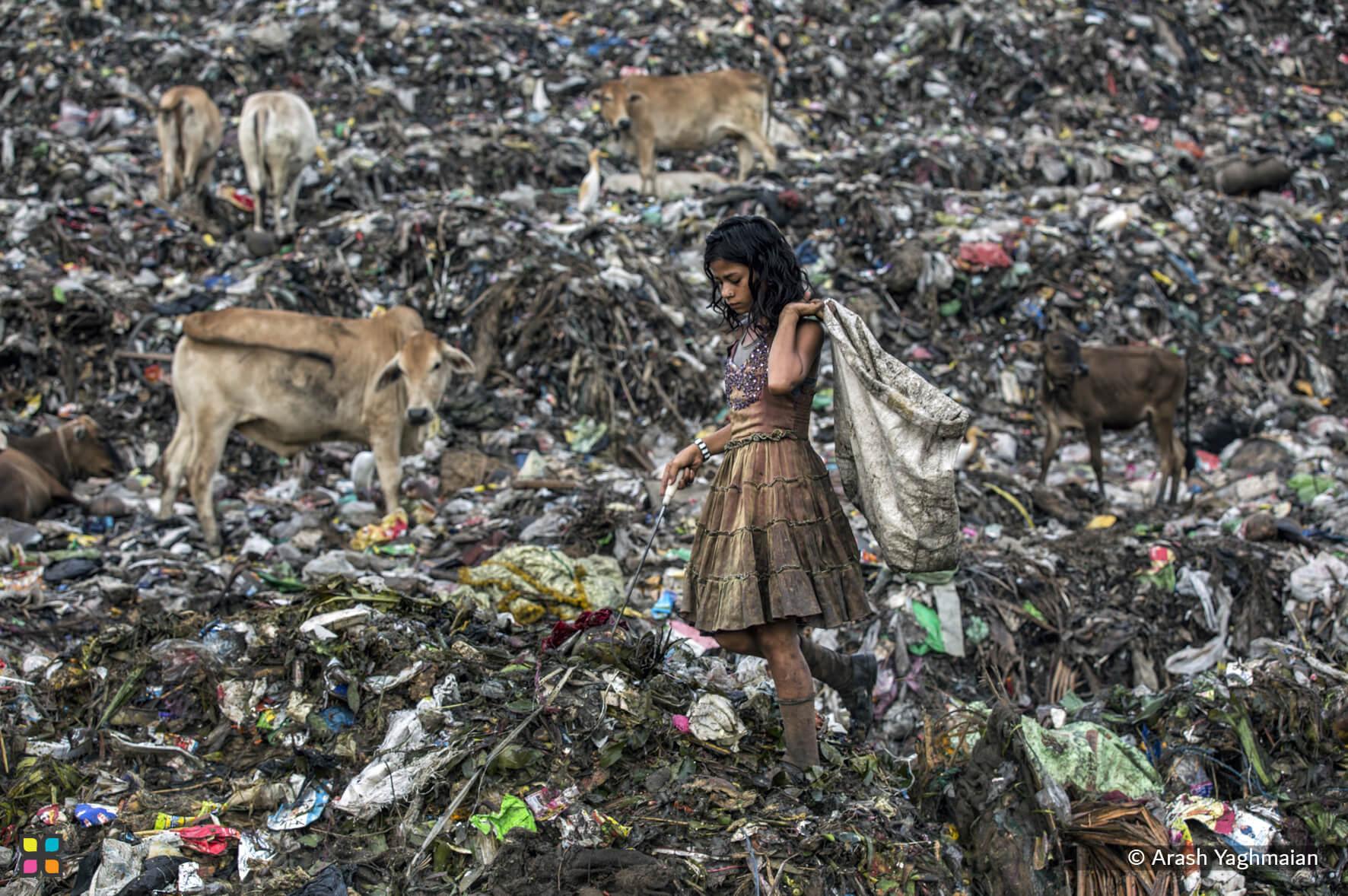
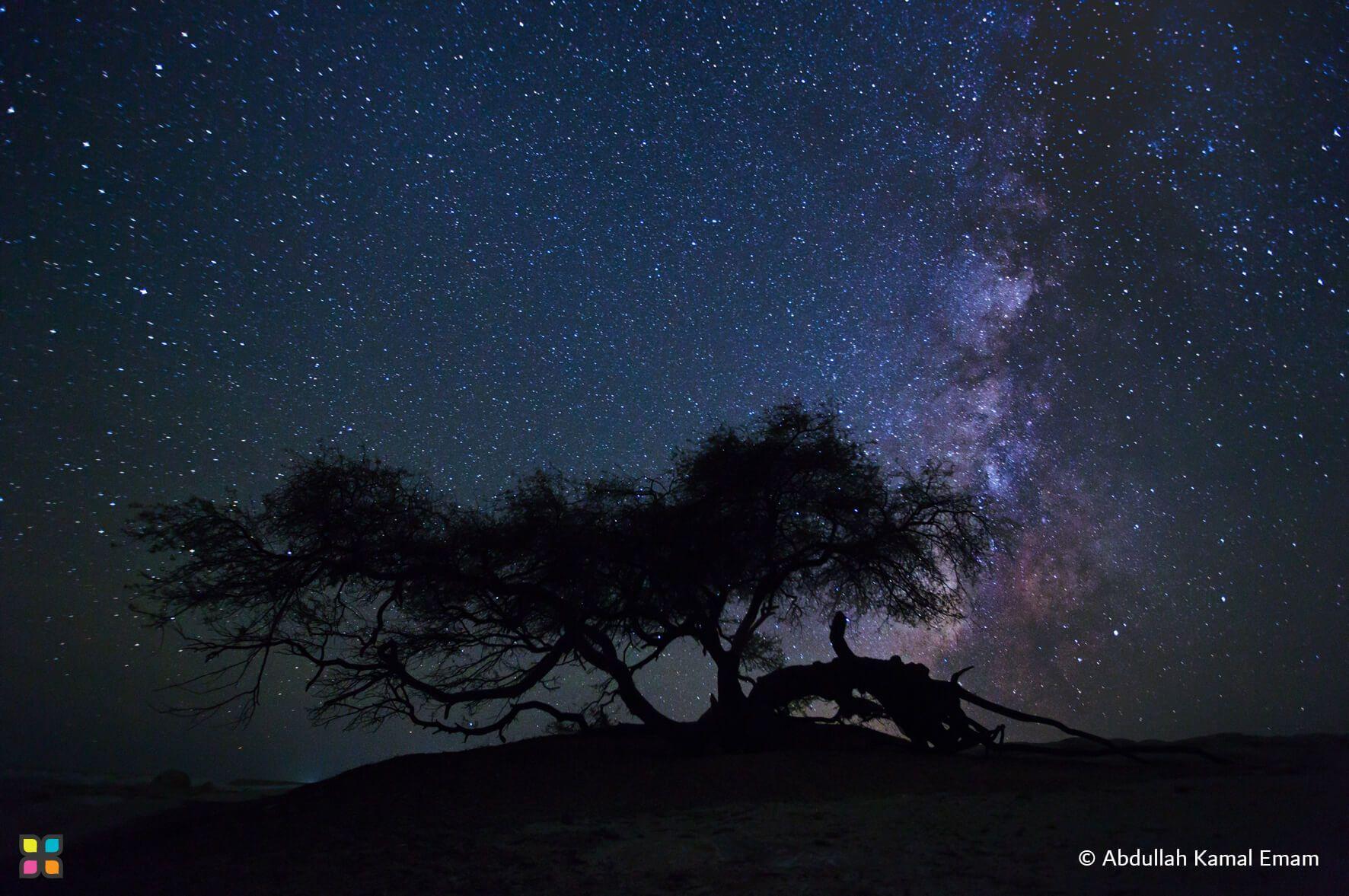
This award-winning photograph is from ‘The Challenge’, the sixth season of the Hamdan bin Mohamed bin Rashid al Maktoum International Photography Award (HIPA) Archive. The Climate Tribe has partnered with HIPA, leveraging the power of photography to inspire global awareness of sustainability and advance climate action.
Most Popular
The Climate Tribe delivers stories about topics such as biodiversity and conservation, circular economy, food and water , and how they intersect with climate.
Enquire
Do you have a sustainability story that deserves to be told? Are you driving climate action in your community, or do you know someone who is? Let us know about it at [email protected]
Subscribe
Get the latest stories inspiring climate action around the globe straight to your inbox.